Imagine waking to sizzling street food, opening your laptop at a sunny café, and knowing your entire month costs less than rent back home. That isn’t a fantasy – thousands of digital nomads already live it. The tricky part? Most “cheap destination” lists are outdated, ignore hidden costs, or skip the things remote workers actually need: fast internet, safety, and a welcoming community.
This guide fixes that. It gives you the 12 cheapest countries for digital nomads in 2026 where you can live well on $1,000 or less each month. You’ll see real budget snapshots, up‑to‑date visa rules, internet speeds, neighborhood picks, and the traps that quietly drain your wallet. Pick a few favorites, and start booking.
I still remember landing in Da Nang for the first time with just a backpack, an old laptop, and a rough budget. Within that first week, the smell of street food told me everything – life here isn’t just cheaper, it’s better. I’ve tucked a small story from that trip into the Vietnam section below; maybe it’ll help you make your next move.
How We Built This List (No Guesswork)
We didn’t just Google “cheap countries.” We pulled real cost-of-living data from Numbeo and Nomad List, scanned dozens of expat Facebook groups, and talked to nomads already on the ground. Every monthly budget below includes:
- A furnished apartment or private room in a safe, nomad‑friendly neighborhood
- All utilities (electricity, water, gas, Wi‑Fi at home)
- A hot desk at a coworking space or a reliable café work budget
- Groceries plus lots of local street food
- Local transport (scooter rental, bus, or ride‑share)
- A data‑packed SIM card
- Basic travel health insurance
We then scored each spot on six non‑negotiables:
- Cost under $1,000 (everything above included)
- Reliable Wi‑Fi (minimum 20 Mbps download, stable for video calls)
- Safety (especially for solo women, using crime indexes and real reports)
- Digital nomad community (active Facebook groups, regular meetups)
- Visa ease in 2026 (up‑to‑date policies, minimal border-run hassle)
- Healthcare quality (decent clinics and affordable insurance)
Now, in no strict order, here are your 12 best budget nomad destinations for 2026.
1. Vietnam – Still the Value Champion
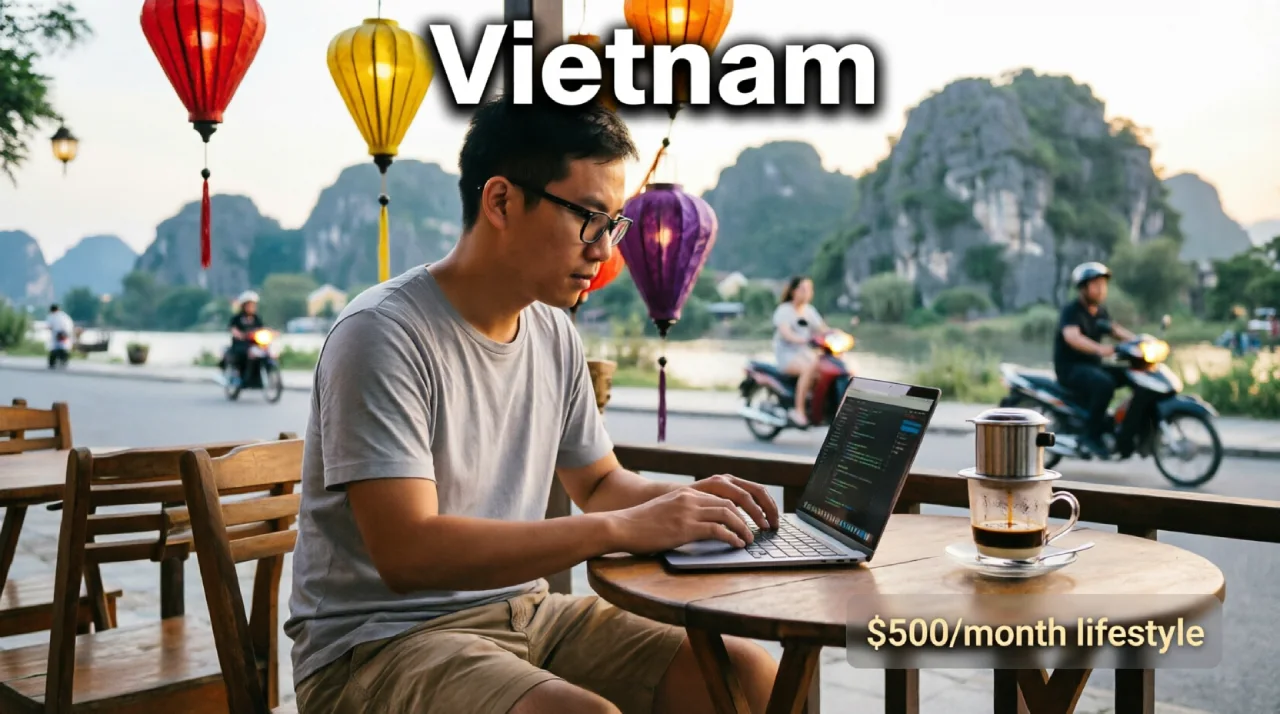
Da Nang: studio $280, food $180, coworking hot desk $45, SIM $6, motorbike+fuel $55, insurance $60, extras $80 → ~$706/month.
Da Nang’s beachside cafés and fresh seafood make workdays feel like a vacation. You get city comforts without the chaos. An Thuong is the expat hub: walkable, full of coworking spots and cheap eats.
Visa 2026: 90‑day e‑visa for most nationalities. Border runs to Laos or Cambodia are doable, and in‑country extensions sometimes work. A nomad visa is under discussion but not yet live.
Internet: 30–50 Mbps fiber, very stable. Even during rare power cuts, coworking cafés usually have generators.
Safety: Extremely safe – one of the best in Asia for solo travellers. Petty theft is rare. Solo women feel comfortable day and night.
Hidden cost: Many landlords charge electricity separately. Run the AC all day and you’ll add $80–100 to your bill. Always ask if utilities are included, and if not, read the meter at move‑in.
2. Thailand – The New Destination Visa Makes It Even Better

Chiang Mai: studio $300, food $200, coworking membership $60, 5G SIM $8, scooter $70, insurance $65, leisure $80 → ~$783/month.
Chiang Mai remains the original digital nomad capital. The Nimman area is packed with coffee shops, night markets, and a huge community. It’s where you go to make freelancer friends fast.
Visa 2026: The Destination Thailand Visa (DTV) is a game‑changer. You get up to 180 days (extendable) for about $270, and you must show remote income. This finally replaces messy border‑run tactics.
Internet: 50–100 Mbps is common. Dozens of coworking spaces (Punspace, Yellow) offer backup internet. Very reliable.
Safety: Very safe. Solo women walk at night without worry. The nomad scene here is legendary – daily meetups, masterminds, and social events.
Hidden cost: Burning season (February–April) brings dangerous air pollution. Many nomads flee south, which adds travel costs. Factor that in.
When I first got to Da Nang, I stumbled upon a family-run guesthouse in the Mỹ An neighborhood whose name I couldn’t even pronounce. For about $180 a month,
I had a clean room, a balcony, and a shared kitchen on the rooftop. The owner, Mrs. Lan, would make bánh xèo (crispy Vietnamese pancakes) every other evening and call me: “You work too much, eat!” She showed me the way to the local market where a bowl of pho cost less than a dollar. That month, my total spending came to around $540 – and I didn’t feel like I was missing out on anything. The real magic of Vietnam isn’t in the numbers; it’s hidden in these little moments of belonging.
3. Cambodia – Simple Visas, Rock‑Bottom Prices
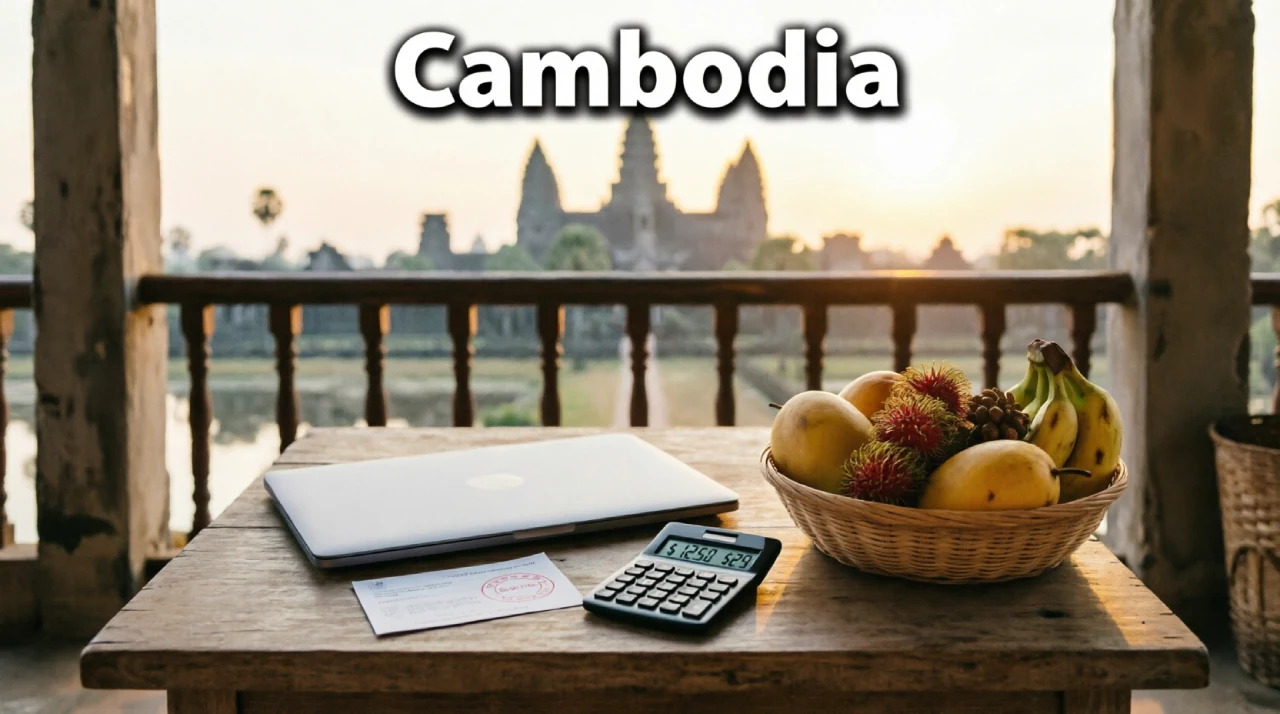
Phnom Penh: apartment $250, food $200, coworking $50, SIM $5, tuk‑tuks $40, insurance $70, extras $80 → ~$695/month.
Cambodia gives you big‑city energy at a village price. The BKK1 area is full of modern apartments and cool cafés. It’s rough around the edges but full of character.
Visa 2026: An ordinary (Type E) business visa on arrival can be extended for up to a year with zero work‑related questions. A 12‑month extension costs around $300. No income proof needed.
Internet: 20–40 Mbps fiber in Phnom Penh. Coworking spaces like The Desk have backup generators, which helps during the occasional power flicker.
Safety: Bag snatching is the main worry; keep your phone away from the roadside. Siem Reap feels much calmer and safer overall.
Hidden cost: Serious medical care usually requires a flight to Thailand. Keep an emergency fund of a few hundred dollars.
4. Indonesia – Bali Still Works, If You’re Smart
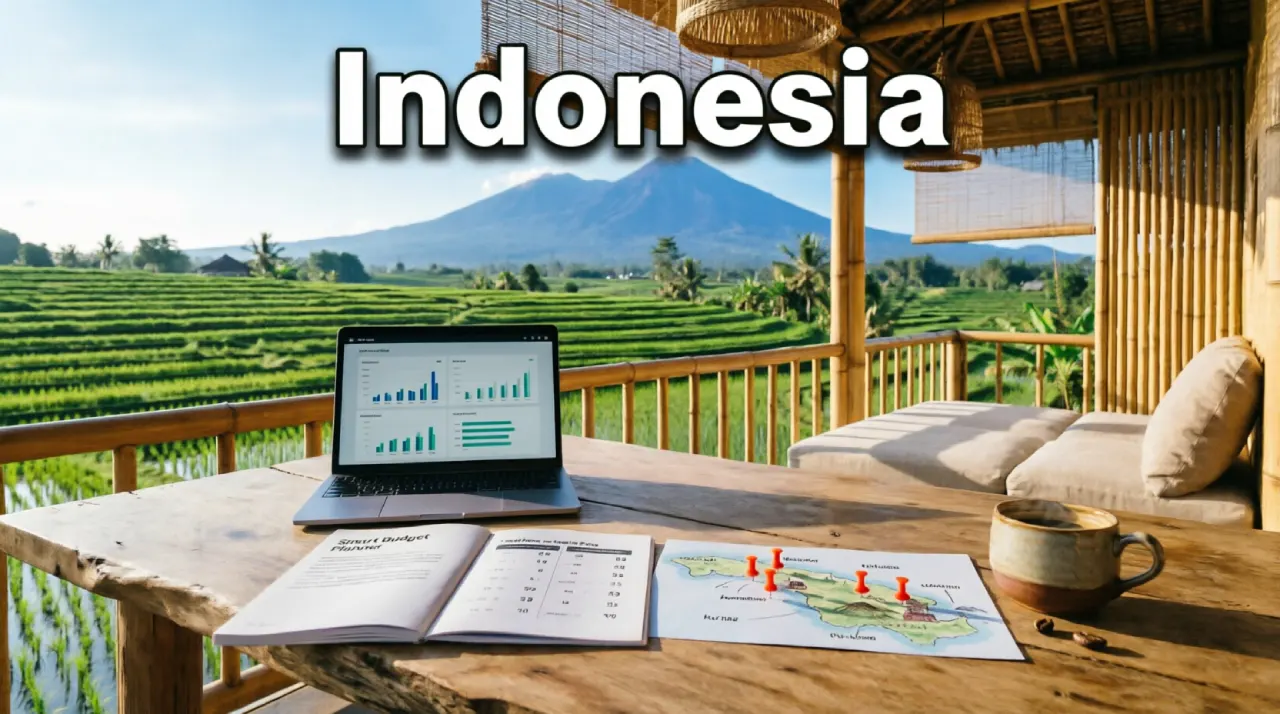
Ubud: guesthouse $350, food $210, coworking $60, SIM $10, scooter $60, insurance $65, yoga $60 → ~$815/month.
Bali’s spiritual heart in Ubud offers rice‑field views and a slow pace. Avoid the party‑heavy Canggu center and you’ll keep costs down while still enjoying a massive remote‑work community.
Visa 2026: The dedicated digital nomad visa is still rolling out slowly. Most people use the B211A visit visa (60 days, extendable) through an agent. A small tourism tax applies.
Internet: 20–40 Mbps; can dip during heavy rains. Stick to coworking spaces (like Outpost) with backup power.
Safety: Safe overall. Solo women do fine but should avoid empty unlit roads at night on a scooter.
Hidden cost: Scooter accidents without a proper license will invalidate your insurance. Also, guesthouses aimed at tourists often charge extra for AC and laundry – ask for a monthly rate that includes them.
5. Albania – A Full Year in Europe, No Visa Needed
Tirana: apartment $350, food $180, coworking $40, SIM $8, bus/bike $30, insurance $50, fun $100 → ~$758/month.
Tirana surprises everyone. It’s filled with colourful buildings, hip cafés, and a buzzing energy. You get European city life at a fraction of the cost.
Visa 2026: US, UK, EU, and many other citizens can stay 1 full year visa‑free. Just exit and re‑enter to reset the clock. No paperwork, no fees.
Internet: 30–50 Mbps fiber in the city. Beach towns like Saranda rely more on 4G, which is fine for email but not heavy uploads.
Safety: Extremely safe. Solo women report feeling at ease alone, even at night. Albanians are famously hospitable.
Hidden cost: Cash is still king; many places don’t take cards. ATMs can hit you with high fees, so withdraw larger sums from trusted bank machines.
6. Georgia – The 1‑Year Secret Europeans Keep
Tbilisi: apartment $300, food $200, coworking $45, SIM $4, metro/taxi $40, insurance $50, leisure $100 → ~$739/month.
Tbilisi’s old‑town balconies and famous wine culture make it romantic and cheap. It’s a perfect base for exploring the Caucasus mountains on weekends.
Visa 2026: 95 nationalities get 365 days visa‑free. No application, no questions. A simple exit and re‑entry renews it.
Internet: Fibre speeds up to 100 Mbps. Even 4G in mountain villages is surprisingly strong.
Safety: One of the safest countries in Europe. Solo women feel completely comfortable.
Hidden cost: Winter can be cold in old Soviet apartments. Gas heating may be metered separately and can spike your bill if you’re not careful.
7. Mexico – Close to Home, Far from Expensive
Mérida: 1‑bedroom $400, food $220, coworking $70, SIM $12, Uber/bus $50, insurance $70, outings $80 → ~$902/month.
Mérida is Mexico’s safest city, with colonial streets and incredible Yucatecan food. Mexico City’s Roma Norte is more expensive but still stays just under $1,000.
Visa 2026: A 180‑day tourist card costs nothing for most visitors. Temporary residence exists but requires higher income proof. The six‑month card is plenty for budget nomads.
Internet: 50 Mbps fiber is standard in major cities. Coworking spaces are modern and plentiful.
Safety: Mérida feels very safe, even late. In Mexico City, stick to Roma/Condesa and don’t flash valuables. The solo female community is large and supportive.
Hidden cost: Never pay a rental deposit via Facebook before a video tour. Scams happen. Also, AC can add $50–100 in Mérida’s heat if not included.
8. Colombia – Perfect Weather, Perfect Price
Medellín (Laureles): studio $380, food $190, coworking $55, SIM $8, metro/taxi $50, insurance $65, fun $100 → ~$848/month.
Medellín’s “eternal spring” climate means you rarely need AC or heat. Laureles is the laid‑back nomad hub full of affordable restaurants and salsa bars.
Visa 2026: The digital nomad visa (Visa V) just got active. It needs income of about $900/month, which fits a tight budget. Alternatively, a 90‑day tourist stamp works fine.
Internet: Fibre up to 100 Mbps, very stable. Coworking spaces like Tinkko are everywhere.
Safety: Petty theft is common – don’t walk around with your phone out in crowded areas. Laureles and Envigado are safe, especially during the day.
Hidden cost: The “gringo tax” raises prices if you don’t speak any Spanish. Learn a few phrases to negotiate rent and market buys.
9. Nepal – Crazy Cheap, Crazy Beautiful
Pokhara: guesthouse $150, dal bhat meals $120, coworking $30, SIM $4, bicycle $25, insurance $55, treks $150 → ~$534/month.
Pokhara sits beside a peaceful lake under the Annapurna range. It’s a paradise for nature‑lovers who want to code with a mountain view. Even with regular trekking weekends, you’ll stay under $800.
Visa 2026: 90‑day tourist visa on arrival, extendable to 150 days cheaply. Working online is tolerated without a specific visa.
Internet: Fibre 20–30 Mbps, and improving. Coworking spaces are small but have backup systems. Power cuts are now rare in cities.
Safety: Very safe and respectful culture. Solo women feel welcome; modest dress is appreciated outside cities.
Hidden cost: Monsoon season can briefly disrupt internet and roads. For anything beyond basic care, a medical evacuation to Thailand is the only option – buy good insurance.
10. Philippines – Island Life on a Tight Budget
Dumaguete: apartment $250, food $180, coworking $35, SIM $7, tricycle $50, insurance $65, diving $100 → ~$687/month.
Dumaguete is a friendly university town with cheap seafood and world‑class diving nearby. Siargao is the surf‑and‑startup hotspot that’s slowly getting better internet via Starlink.
Visa 2026: 30 days on arrival, extendable repeatedly – up to 36 months – for a small fee. Very simple process at the immigration office.
Internet: Dumaguete and Cebu have stable fiber. Siargao now has Starlink in several accommodations. Check speed tests before booking remote islands.
Safety: Generally safe outside Manila. Solo women find the islands very welcoming. Typhoon season can bring occasional power cuts.
Hidden cost: Inter‑island ferries and flights add up fast. Also, some apartments charge electricity separately, and AC in the tropics isn’t optional.
11. Peru – World‑Class Food, Surprising Wi‑Fi
Lima (Miraflores): studio $350, menu del día $200, coworking $65, SIM $10, Metropolitano $40, insurance $65, fun $90 → ~$820/month.
Lima’s Miraflores is a safe, modern seaside district. The food scene (ceviche for $3!) is unbeatable. Cusco is much cheaper but has slower internet, perfect for weekend escapes.
Visa 2026: A generous 183‑day tourist stamp covers you. A quick border hop to Bolivia or Chile resets it if needed. A nomad‑specific visa is still in discussion.
Internet: Fibre up to 100 Mbps in Lima. Coworking spaces like Comunal are excellent. Cusco and smaller towns average 15–20 Mbps.
Safety: Miraflores and Barranco are heavily patrolled and very safe. Solo women find the city easy to navigate during the day.
Hidden cost: Lima’s June–September winter is a constant grey drizzle (garúa). It can affect mood, so budget for a flight north to Mancora for sunshine.
12. Armenia – Europe’s Best‑Kept Budget Secret
Yerevan: apartment $300, food $180, coworking $40, SIM $5, metro/walk $25, insurance $50, socializing $75 → ~$675/month.
Yerevan’s pink‑stone buildings and café terraces feel like a laid‑back Paris. The tech scene is growing, and the cost of living is ridiculously low for Europe.
Visa 2026: 180 days visa‑free for many nationalities. A simple day trip to Georgia and back gives you another half year. Setting up a sole proprietorship for residency is easy.
Internet: 40–60 Mbps fibre, very consistent. Blackouts are extremely rare. Coworking spots like Aeon are cheap and friendly.
Safety: Incredibly safe, even late at night. Solo women feel comfortable everywhere. The nomad community is small but very tight.
Hidden cost: Winter heating in old Soviet apartments can get expensive if the unit uses individual gas meters. Also, international flights to Yerevan can be costly – book far in advance.
Quick Comparison: What $1,000 Gets You in 3 Countries
| Expense | Da Nang, Vietnam | Tirana, Albania | Oaxaca, Mexico |
|---|---|---|---|
| Housing | $280 | $350 | $380 |
| Food & dining | $180 | $180 | $220 |
| Coworking | $45 | $40 | $60 |
| SIM & internet | $6 | $8 | $12 |
| Transport | $55 | $30 | $50 |
| Insurance | $60 | $50 | $70 |
| Fun & extra | $80 | $100 | $90 |
| Total | $706 | $758 | $882 |
All three keep you well under $1,000. Vietnam wins on pure value and internet stability. Albania wins on dead‑simple visa rules. Mexico wins on food culture and proximity to the US and Canada. Choose based on whatever matters most to you beyond the price tag.
7 Hidden Costs That Can Blow Your $1,000 Budget
- Metered electricity: Your $250 apartment might have a surprise separate meter. Running AC every night can add $60–100. Always ask if the rent includes electricity, and if not, agree on a monthly cap.
- Border runs and visa fees: A $20 bus ride sounds cheap, but you’ll pay $30–50 for a new visa and maybe a hotel. If you do this four times a year, that’s hundreds of dollars. Choose countries that give long stays (Georgia, Albania, Mexico) to avoid this.
- No health insurance: A dengue fever hospital stay in Thailand costs thousands. Nomad‑friendly plans from SafetyWing or Genki start at $50–70. Skipping it is a false economy.
- Foreign transaction fees: Your home bank might take 2–3% on every card payment. Open a Wise or Revolut account and use their local currency cards. Only withdraw from major bank ATMs to avoid skimmers and extra surcharges.
- Scooter rental traps: A small scratch can lead to a $200 repair bill, and the rental shop keeps your passport until you pay. Get a local motorbike license, take dated photos of the bike, or simply rely on ride‑sharing apps for daily transport.
- Unexpected clinic visits: A bad infection or a sprained ankle might cost $20–50 at a local clinic. Keep a $100–200 emergency medical buffer, even if you have insurance, because you often pay upfront and claim later.
- The “tourist price” gap: Ordering food on the main square costs three times more than eating one street back. Renting through Airbnb at short‑stay rates doubles the real monthly rate. Join local Facebook housing groups and eat where locals eat to keep your budget on track.
Tools You’ll Want Before You Move
- Cost calculators: Numbeo and Nomad List let you compare city costs side by side. We also have a free downloadable budget spreadsheet (link on site) to track every dollar.
- Housing: Search “[City] digital nomad apartments” on Facebook. Insist on a live video tour before sending any money.
- Internet & SIMs: Test neighborhood speeds on Speedtest.net. For instant connectivity on arrival, Airalo and Holafly offer eSIMs. Then grab a cheap local SIM – for instance, a $5 Viettel SIM in Vietnam gives nearly unlimited data.
- Insurance: SafetyWing suits most remote workers on a budget. Genki is more flexible. World Nomads covers adventure activities if you’re trekking in Nepal or diving in the Philippines.
Frequently Asked Questions
What is the absolute cheapest country for digital nomads?
Nepal ($500–600/month) is the cheapest overall. Vietnam and Cambodia offer a slightly higher cost with much better internet and coworking infrastructure.
Do I need a specific digital nomad visa?
In most places you can legally work remotely on a tourist visa or a visa‑free long stay. Only Thailand’s DTV and Colombia’s new visa explicitly require remote work authorization. Everywhere else, remote work is tolerated as long as you’re not taking local jobs.
Can I really live comfortably on $1,000 in Bali?
Yes. If you stay in Ubud or a quieter area, cook some meals, and skip pricey brunch spots, you’ll land around $800–900. The party‑heavy Canggu core has become more expensive, so avoid basing yourself there.
Which cheap country has the best internet for video calls?
Vietnam (Da Nang), Thailand (Chiang Mai), Georgia (Tbilisi), and Peru (Lima) all deliver dependable fiber with 50 Mbps and above.
Are these places safe for solo female digital nomads?
Absolutely. Vietnam, Georgia, Albania, Armenia, Nepal, and Thailand stand out as particularly worry‑free. In every country on this list, standard street‑smart behaviour keeps you safe.
How can I avoid rental scams?
Use local Facebook expat groups, not just Airbnb. Always video‑call the host while they walk through the unit. Check the location on Google Maps, and never pay a deposit before you see the place in person.
Will I have to pay income tax in these countries?
For stays of under 183 days, you typically remain tax-resident only in your home country. Even with many nomad visas, foreign‑sourced income is not taxed unless you stay longer. Always verify your country’s tax treaty with your destination.
Your $1,000‑a‑Month Life Starts Now
Living well as a digital nomad doesn’t mean scraping by. The 12 cheapest countries for digital nomads in 2026 prove you can have fast internet, delicious food, rich culture, and a warm community – all for under $1,000 a month.
Pick two or three destinations that excite you. Look them up on Numbeo, join their local “digital nomads” Facebook groups, and browse flight prices. A short test trip will tell you everything you need to know. The world’s most affordable, welcoming corners are ready for you. Stop planning and start packing.