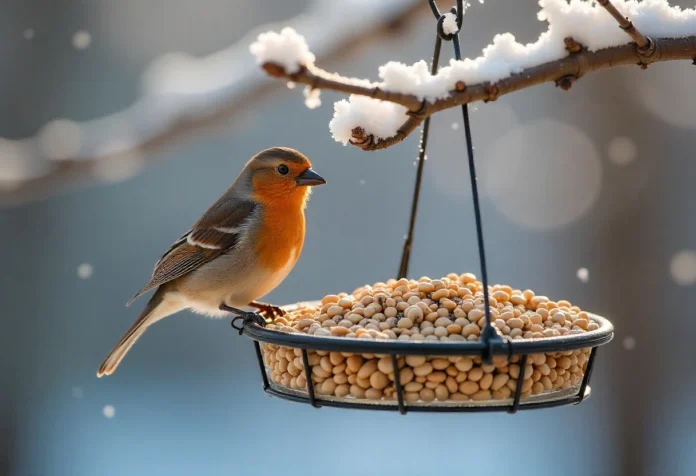
You check your winter bird feeder every morning, hoping to see a flutter of cardinals and chickadees. Instead, you find it untouched, seeds spilling onto frozen ground while birds flock to your neighbor’s yard. Frustrating, right?
Here’s what most people don’t realize: empty feeders in winter aren’t usually about the birds ignoring you. They’re about timing, placement, and understanding what winter birds actually need to survive. When temperatures drop, birds burn calories at an astonishing rate—some species need to consume 35% of their body weight daily just to make it through a single cold night.
In this guide, you’ll discover why your feeders stay empty and exactly how to fix it. You’ll learn the specific feeding schedule that keeps birds coming back, which seeds actually work in freezing weather, and the maintenance mistakes that silently drive birds away. By the end, you’ll have a step-by-step system for creating a consistent food source that transforms your yard into a winter bird sanctuary.
Why Your Winter Bird Feeder Stays Empty (And It’s Not What You Think)
Most bird lovers blame the wrong things when feeders stay empty. They think birds migrated or simply aren’t hungry.
The real culprits are usually invisible to you but glaringly obvious to birds. Feeder maintenance is the number one issue. Moldy or wet seed smells rancid to birds, even if you can’t detect it. When snow melts into your feeder and refreezes, it creates clumps that birds can’t access. One study from the Cornell Lab of Ornithology found that 68% of backyard feeders contain harmful bacteria during the winter months.
Placement matters more in winter than in summer. That feeder you hung in October might now be exposed to harsh winds that make feeding uncomfortable. Birds need protection from predators and weather while they eat—two things that become critical during cold weather survival periods.
Inconsistent refilling also trains birds to skip your yard. If your feeder is empty three days a week, birds learn to forage elsewhere. They have excellent spatial memory and will simply remove you from their winter circuit.
The Perfect Winter Feeding Schedule That Actually Works
How often to fill bird feeder stations in winter depends on one key factor: predictability over quantity.
Birds thrive on routine. Fill your feeders at the same time every day, preferably early morning. Dawn is when birds have depleted their overnight energy reserves and need fuel most desperately. A chickadee loses up to 10% of its body weight during a single winter night.
Here’s your optimal schedule: Check and fill feeders every morning, and top them off in late afternoon around 4 PM. This evening feeding is crucial—it helps birds tank up before the long, calorie-burning night ahead.
For high-traffic feeders, you might need to refill midday, too. Rather than seeing this as a chore, recognize it as a sign you’ve created a successful backyard habitat. Keep a dedicated container of seed near your door so refilling takes less than two minutes.
During extreme cold snaps (below 10°F), increase your vigilance. Birds need 25-50% more calories when temperatures plummet. Your consistent refilling during these periods can literally mean survival for species like goldfinches and juncos.
The Only Winter Seeds That Matter (And Three to Avoid)
Not all bird seed performs equally when temperatures drop. Some seeds freeze solid, others repel the birds you want to attract.
Best bird seed for winter choices include black oil sunflower seeds as your foundation. They have thin shells that birds crack easily with numb beaks, and they contain 40% more fat than striped sunflower seeds. This extra fat is critical for energy needs in freezing weather.
Nyjer (thistle) seed attracts finches year-round, but winter is when you’ll see the biggest crowds. Store it in airtight containers because its high oil content goes rancid quickly in fluctuating temperatures.
White proso millet works for ground-feeding birds like sparrows and juncos. Scatter it in sheltered areas under bushes where these birds naturally forage.
Avoid these three winter mistakes: Skip cheap seed mixes with red milo and wheat—birds toss these aside, creating waste that attracts rodents. Don’t buy pre-cracked corn unless you’re specifically targeting larger birds; it molds faster than whole kernels. And never offer bread or human food scraps in winter—they provide empty calories without the fat and protein birds desperately need.
One pro tip: Add a suet feeder to your setup. Suet provides concentrated fat that helps birds maintain body temperature. Woodpeckers, nuthatches, and chickadees will become regular visitors.
Bird Feeder Cleaning: The Winter Task Everyone Skips
Here’s an uncomfortable truth: your dirty feeder might be killing the birds you’re trying to help. Salmonella and other diseases spread rapidly at feeding stations, especially when droppings contaminate seed.
Bird feeder cleaning in winter requires a different approach than summer maintenance. You can’t let feeders soak overnight when temperatures are below freezing, so you need a faster method.
Clean feeders every two weeks minimum, weekly if you see heavy traffic. Use this quick winter cleaning system: Dump remaining seed, scrub with a solution of one part bleach to nine parts hot water, rinse thoroughly with boiling water (the heat helps it dry faster), and towel dry before refilling. The entire process takes 10 minutes per feeder.
Pay special attention to feeding ports and perches where droppings accumulate. Use a small brush to reach crevices. If you notice seed clumping or black mold spots, clean immediately—these indicate moisture problems that need solving.
For tube feeders, invest in a specialized cleaning brush with an angled head. For platform feeders, consider adding a drainage system using small drill holes to prevent water accumulation.
Strategic Feeder Placement for Winter Success
Location determines whether birds feel safe enough to visit regularly. Winter changes the calculation because birds need both food access and escape routes from predators.
Place feeders 10-12 feet from dense shrubs or evergreen trees. This distance gives birds a safe staging area to observe for predators before committing to feed, plus a quick escape route if danger appears. Too close to cover, and cats have easy ambush spots. Too far, and birds feel exposed.
Attract birds in winter by creating a feeding station, not just a single feeder. Cluster 2-3 different feeder types at varying heights. This accommodates different species’ preferences and reduces competition. Your squirrel-proof feeder should hang highest, with platform feeders below for ground-preferring species.
Wind protection matters enormously. A feeder that swings wildly in winter gusts stays empty. Mount feeders on the south or east side of buildings where they’re shielded from prevailing northwest winter winds.
Consider sight lines from your windows, too. Birds ignore feeders they can’t scout first. They prefer landing in nearby trees to observe before dropping to feed. If you have no trees within 20 feet, install a shepherd’s hook with a nearby branch prop to create an artificial perch.
The Missing Element: Water in Winter
Most people focus exclusively on food and completely forget water. This is a critical mistake.
Birds need water year-round for drinking and feather maintenance. Finding liquid water in winter requires enormous energy expenditure—energy they can’t afford to waste. Providing a heated bird bath can increase your winter bird traffic by 300% or more.
You don’t need expensive equipment. A simple heated birdbath bowl costs $30-50 and uses less electricity than a nightlight. Place it near but not directly under feeders (to avoid contamination from seed hulls and droppings).
Change water every 2-3 days even if it looks clean. Birds are messy drinkers and bathers. A depth of 1-2 inches is perfect—deep enough for bathing but shallow enough that birds don’t fear drowning.
If heated baths aren’t in your budget, try this trick: Set out fresh water twice daily in a dark-colored bowl. Dark colors absorb more solar heat and stay liquid longer. Even 20 minutes of liquid water helps birds tremendously.
The combination of reliable food, clean feeders, and accessible water creates an irresistible winter sanctuary. Birds communicate with each other through calls and behavior, so once a few individuals discover your setup, word spreads quickly through the local flock.
Troubleshooting: When Birds Still Don’t Come
You’ve done everything right, but feeders stay empty. Now what?
Give it time. If you’re establishing a new feeding station, birds need 2-4 weeks to discover it and add it to their foraging routes. They’re naturally cautious about new food sources.
Check your seed freshness. Pour a handful in your palm and smell it. Rancid seed has a sharp, unpleasant odor. Birds detect this instantly and avoid it. Store bulk seed in metal containers (not bags) in a cool, dry location like a garage.
Assess predator pressure. Are outdoor cats patrolling your yard? Is a hawk perched nearby? Birds won’t risk feeding in danger zones. Install motion-activated sprinklers or ask neighbors to keep cats indoors during peak feeding hours (dawn and dusk).
Consider your window treatments. Large, reflective windows near feeders cause deadly collisions. Apply window decals or screens to break up reflections. Birds won’t visit areas where they’ve seen flock members die.
Finally, survey your local competition. If your neighbor runs an extensive feeding operation, birds may simply prefer their established station. Don’t compete—differentiate. Offer suet if they only provide seeds. Add Nyjer if they skip it. Create the variety that pulls birds to your yard, specifically.
Transform Your Yard Into a Winter Bird Haven
Consistent winter bird feeding isn’t complicated, but it does require commitment. Birds depend on the consistent food source you provide, especially during ice storms and deep freezes when natural food becomes inaccessible.
Your action plan: Set a morning alarm for feeding time. Keep a weather-proof container of seed by your door. Clean feeders every Sunday. Check water daily. These simple habits create the reliability that turns occasional visitors into permanent residents.
The rewards go beyond entertainment. You’re providing genuine conservation value for species facing increasingly challenging winters due to habitat loss. Your yard becomes part of a critical network of winter refuges.
Start tomorrow morning. Check your feeders before breakfast, refill them with fresh black oil sunflower seeds, and commit to the routine for just two weeks. You’ll see the difference in both bird numbers and species diversity.
What will you spot first—the brilliant red cardinal, the acrobatic chickadee, or the cheerful junco? Your winter bird sanctuary is waiting.