
Imagine unlocking tens of thousands more from your home sale in 2026’s rebounding market, turning smart upgrades into a substantial windfall without the regret of overspending.
The seven ways to increase your home’s value before selling in 2026 focus on high-ROI projects that align with buyer demands for move-in-ready properties. These strategies draw on the latest data, emphasizing curb appeal, interior refreshes, and energy efficiency that effectively recoup costs. You’ll gain clarity on budgeting wisely, avoiding common pitfalls, and timing your efforts for maximum impact. This approach builds confidence by prioritizing proven tactics tailored to the expected 14% surge in home sales and 4% price appreciation.
Understanding the 2026 Home Selling Market
The 2026 housing market promises a significant rebound, with home sales projected to jump 14% after years of stagnation. This growth stems from steady job gains and persistent inventory shortages that keep demand high. Sellers who prepare strategically will capitalize on this shift.
Home prices are forecast to rise 4% nationally, building on modest gains in 2025. Regions like California may see median prices around $905,000 with 3.6% appreciation, while the national median hovers at $420,000 with 2% growth. These trends highlight the importance of value-adding improvements.
Mortgage rates are expected to average around 6% in 2026, down from 6.7% in 2025, making financing more accessible for buyers. This decline could expand the buyer pool, but competition remains fierce. Buyers will favor homes that require minimal post-purchase work.
First-time buyers hit an all-time low of 21%, far below the historical 40% norm. Repeat buyers, often equity-rich and paying cash in 30% of cases, dominate the market. These experienced purchasers prioritize efficiency and readiness.
Cash buyers now account for 26% of all sales, accelerating transactions. They move quickly on properties that stand out. Sellers must adapt by focusing on “over-improve” strategies to edge out competition.
Buyer psychology in 2026 leans toward move-in-ready homes. With remote work persisting, features like home offices and outdoor spaces rank high. Energy efficiency also commands premiums, as buyers weigh long-term savings.
Inventory is set to increase moderately, easing some pressure but not eliminating it. Tariff impacts may raise material costs, so planning upgrades now avoids future hikes. This context underscores the need for targeted investments.
Overall, 2026 offers sellers a stronger position than recent years. By understanding these dynamics, you position your home as a top choice. Strategic enhancements will yield higher offers in this evolving landscape.
The 30% Rule: How Much to Invest Before Selling
The 30% rule advises against spending more than 30% of your home’s current value on improvements to avoid over-improving for your neighborhood. This guideline ensures investments align with local comparables. Exceeding it risks diminishing returns when appraising against similar properties.
Calculate ROI by dividing the added value by project cost, aiming for 50-80% or higher. For instance, a $400,000 home should cap upgrades at $120,000 total. Focus on projects recouping at least 70% to maximize net gain.
Budget allocation starts with high-ROI items like exterior updates, which often yield over 100%. Allocate 40% to curb appeal, 30% to interiors, and 30% to systems. This balance addresses visible and functional needs.
Timeline influences spending decisions. If selling in three months, prioritize quick wins under $5,000 like painting and cleaning. For 12 months out, invest in larger projects like minor remodels.
Consider your home’s condition and market. In competitive areas, slight over-improving can attract premium offers. Always consult a local agent for tailored advice.
Hidden costs add up, including permits and storage. Factor in 8-10% selling expenses like commissions. This holistic view prevents budget overruns.
Ultimately, the 30% rule promotes realistic planning. It builds confidence by tying investments to data-driven outcomes. Stick to it for profitable results.
Way #1 – Start With Strategic Curb Appeal Upgrades
Curb appeal sets the first impression, influencing buyer interest immediately. In 2026’s market, where buyers expect polished exteriors, these upgrades can boost offers significantly. Focus on changes that enhance perceived value without major overhauls.
Strategic investments here yield high ROI, often exceeding 100%. They address buyer psychology, signaling a well-maintained home. Prioritize visible elements to stand out in listings.
Replace Your Garage Door
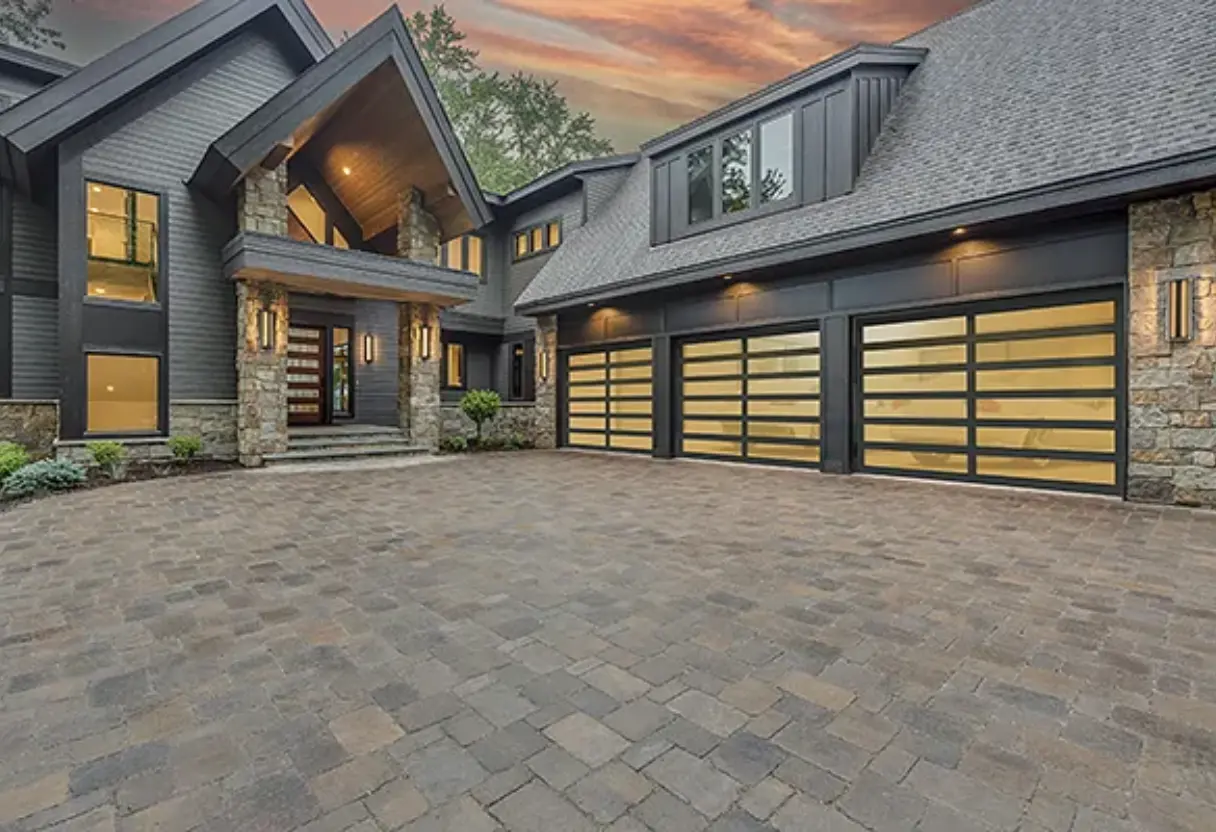
Garage door replacement tops ROI charts at 268%, with costs ranging $1,300 to $6,500. This upgrade modernizes the facade, appealing to security-conscious buyers. It also improves insulation, adding energy efficiency.
Buyers notice dated doors first, associating them with neglect. A new one can add substantial value, recouping nearly triple the investment. Complete it in one day for minimal disruption.
Pro Tip: Choose steel or aluminum for durability in varying climates. Match it to your home’s style for cohesive appeal.
A steel entry door offers 216.4% ROI at about $2,355 cost. It enhances security while boosting energy efficiency through better sealing. This draws buyers seeking low-maintenance features.
The upgrade signals modernity and safety, key in 2026’s buyer mindset. Installation takes hours, making it a quick win. Opt for ENERGY STAR-rated models.
Pro Tip: Select neutral finishes like black or bronze for broad appeal. Add sidelights if space allows for natural light.
Fresh Exterior Paint & Power Washing
Exterior paint averages $3,178 and returns 107% ROI. It refreshes the home’s look, covering imperfections. Power washing, at $200-$400, removes grime for a clean base.
In 2026, neutral colors like grays and beiges trend, appealing to millennials and boomers alike. Avoid bold hues that limit buyer’s imagination. Timeline: one to two weeks.
Pro Tip: Hire professionals for even coverage. Test colors in natural light to ensure timelessness.
Landscaping & Mulching Basics
Low-cost landscaping, $100-$500, often exceeds 100% ROI. It frames the home, creating inviting entryways. Mulching retains moisture and suppresses weeds.
Buyers value manicured yards, associating them with overall care. Focus on native plants for sustainability. Complete in a weekend for immediate impact.
Pro Tip: Add pathways or edging for structure. Research local preferences to align with regional climates.
Way #2 – Prioritize High-ROI Interior Updates
Interior updates refresh living spaces, making them feel current and spacious. In a market where buyers shun dated interiors, these changes can accelerate sales. Target areas that influence daily life for best results.
High-ROI focuses ensure cost recovery. Neutral aesthetics allow buyers to envision their style. Plan for minimal downtime to keep your home livable.
Paint With Neutral, Modern Colors
Interior paint, $1,500-$3,000, yields 107% ROI. It brightens rooms and covers wear. Choose light neutrals like soft grays or warm beiges for versatility.
Color psychology shows neutrals evoke calm, appealing to diverse buyers. Avoid personal favorites that might deter offers. DIY or pro: two to four days.
Pro Tip: Use low-VOC paints for health appeal. Test samples on walls for an accurate preview.
Update Light Fixtures & Maximize Natural Light
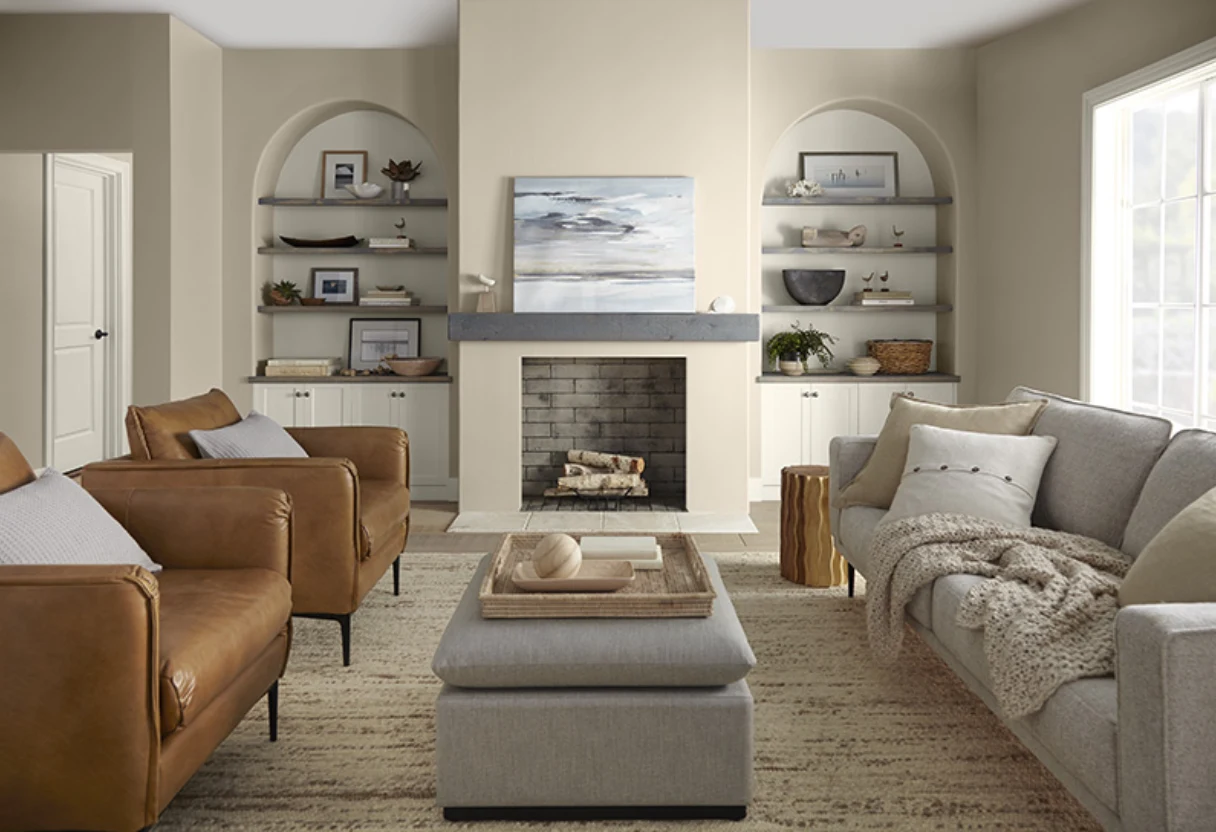
Light fixtures cost $50-$300 each, offering high perceived value. Replace outdated ones with LED options for efficiency. This modernizes rooms instantly.
Buyers prefer bright spaces, linking them to positivity. Clean windows and add sheer curtains to enhance natural flow. Timeline: one day per room.
Pro Tip: Install dimmers for flexibility. Layer lighting with task and ambient sources.
Refinish or Replace Flooring Strategically
Flooring updates vary: luxury vinyl plank (LVP) at $2-$5 per sq ft outperforms carpet in ROI. Refinish hardwood for $1,500-$3,000 per room. Choose durable options for high-traffic areas.
In 2026, buyers favor low-maintenance floors. Avoid trends like bold patterns. Professional installation ensures longevity.
Pro Tip: Match flooring to room function—water-resistant in baths. Get samples to test underfoot.
Upgrade Kitchen & Bathroom Hardware
Hardware updates, $100-$500 per room, refresh without full remodels. Swap knobs and pulls for matte black or brushed nickel. This adds modern touchpoints.
Buyers notice details, equating updated hardware with quality. It’s a quick DIY project. Focus on cohesive finishes.
Pro Tip: Coordinate with appliances for unity. Invest in soft-close mechanisms for premium feel.
Way #3 – Make Minor Kitchen & Bathroom Improvements
Kitchens and bathrooms sell homes, so minor tweaks here deliver strong returns. In 2026, buyers seek functional, stylish spaces without excess. Limit changes to surfaces for cost control.
These rooms influence offers heavily. ROI averages 80-113%, making them worthwhile. Plan for professional help on plumbing elements.
Kitchen: Focus on Surfaces, Not Layout
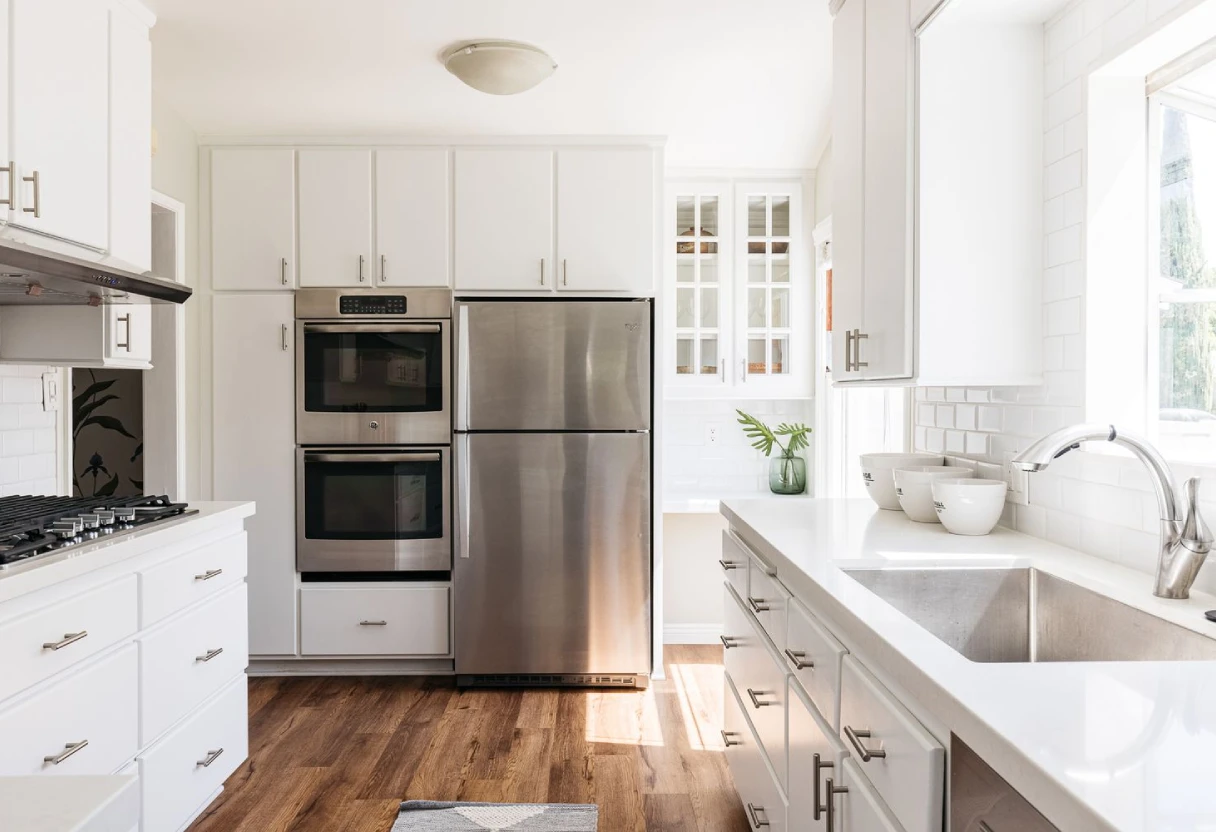
Minor kitchen remodels cost $27,492 and recoup 113% ROI. Paint cabinets instead of replacing for $1,500-$4,000. Update backsplashes with subway tile.
Countertops like quartz add durability and appeal. Avoid layout shifts to keep costs down. Timeline: two to four weeks.
Pro Tip: Choose timeless materials over fads. Integrate smart appliances if budget allows.
Midrange bath remodels average $25,251 with 80% ROI. Update vanities and faucets for fresh looks. Re-grout tiles to eliminate mold.
Lighting upgrades enhance usability. Consider walk-in showers for accessibility. Keep it simple to appeal broadly.
Pro Tip: Opt for blue accents—Zillow data shows $4,698 premium for blue bathrooms. Ensure ventilation to prevent issues.
Way #4 – Address Major Systems Before Buyers Notice
Major systems like HVAC and roofing underpin home value. In 2026, buyers scrutinize these for long-term costs. Upgrades here prevent negotiation setbacks.
Addressing them proactively builds trust. ROI ranges 65-103%, justifying the spend. Schedule inspections early.
HVAC Replacement or Service
HVAC replacement averages $7,500 with 66-103% ROI. It ensures efficiency, appealing to energy-aware buyers. Service older units to extend life.
Buyers often request records, so updates reassure. Timeline: one to two days. Focus on ENERGY STAR models.
Pro Tip: Get an energy audit at $437 to identify savings. Highlight annual reductions in listings.
Roof, Windows, and Siding Condition
Vinyl siding replacement costs $17,410 with 80-88% ROI. New roofs add security. Energy-efficient windows, $10,000-$20,000, return 65-75%.
These protect against elements, reducing maintenance appeals. Buyers pay $5,000 more for $1,000 yearly savings. Professional assessment recommended.
Pro Tip: Choose materials suited to the climate. Document warranties for buyer peace of mind.
Energy Efficiency Upgrades
Install LED bulbs and insulation for low-cost gains. Smart thermostats integrate easily. These cut utility bills, a top buyer priority.
In 2026, 45% of homes feature smart tech. Upgrades like these yield quick paybacks. Start with audits.
Pro Tip: Certify improvements for green labels. They boost resale by signaling sustainability.
Way #5 – Add Functional Space or Improve Existing Layout
Adding space increases usability, a key 2026 buyer want. Focus on versatile areas like offices. These changes expand appeal without massive costs.
Functional improvements recoup 70% on average. They cater to hybrid work trends. Measure spaces carefully.
Finish Your Basement
Basement finishing, $32,000-$75,000, offers 71% ROI. It creates bonus rooms for storage or living. Market-dependent, it adds $40,000-$50,000 value.
Buyers see potential in finished spaces. Ensure waterproofing first. Timeline: four to six weeks.
Pro Tip: Add egress windows for safety. Design for multi-use like gyms or theaters.
Create or Highlight Home Office Space
Convert closets or corners into offices. Low cost, high demand—86% of buyers want them. Built-ins add organization.
Remote work continues, making this essential. Highlight in listings with staging. Quick to implement.
Pro Tip: Ensure good lighting and outlets. Virtual tours showcase functionality.
Outdoor Living Spaces (Deck/Patio)
Wood decks cost $3,600-$7,200 with 94.9% ROI. They extend living areas outdoors. Patios offer similar appeal.
In 2026, outdoor features top lists. Use durable materials. Timeline: one to two weeks.
Pro Tip: Add lighting and seating for evening use. Research local codes.
Way #6 – Invest in Professional Home Staging
Staging transforms empty or cluttered spaces into inviting ones. In competitive 2026 markets, it accelerates sales by 73%. It’s a strategic investment with 5-23% ROI.
Professional staging highlights strengths. It addresses buyer expectations for TV-level presentation. Budget accordingly.
The ROI Case for Staging
Staging costs $1,500 median but adds $40,000 average value. Homes sell faster, reducing holding costs. Statistics show undeniable benefits.
Buyer psychology favors staged homes—they envision living there. Virtual options increase views 90%. Essential in low-inventory areas.
Pro Tip: Stage occupied homes lightly. Focus on depersonalizing.
Staging Cost Breakdown
Professional full staging: $2,900-$5,250 plus $2,000-$2,400 monthly rental. Agent-handled: $500 median. DIY: minimal costs.
Compare: pro yields higher returns. For vacant homes, it’s crucial. Factor in storage at $100-$400/month.
Pro Tip: Get quotes from multiple stagers. Review portfolios for style match.
Which Rooms to Stage First
Prioritize living rooms (91%), primary bedrooms (83%), and kitchens (68%). These influence decisions the most. Keep decor neutral.
Staging emphasizes flow and space. Avoid over-furnishing. Quick setup: one day.
Pro Tip: Use fresh linens and plants. Photography benefits greatly.
DIY Staging Tips for Budget-Conscious Sellers
Declutter ruthlessly to create openness. Rearrange furniture for better traffic. Add mirrors for light.
Depersonalize by removing photos. Clean deeply for freshness. These steps mimic pro results affordably.
Pro Tip: Borrow items from friends. Online tutorials guide effectively.
Way #7 – Deep Clean and Handle Minor Repairs
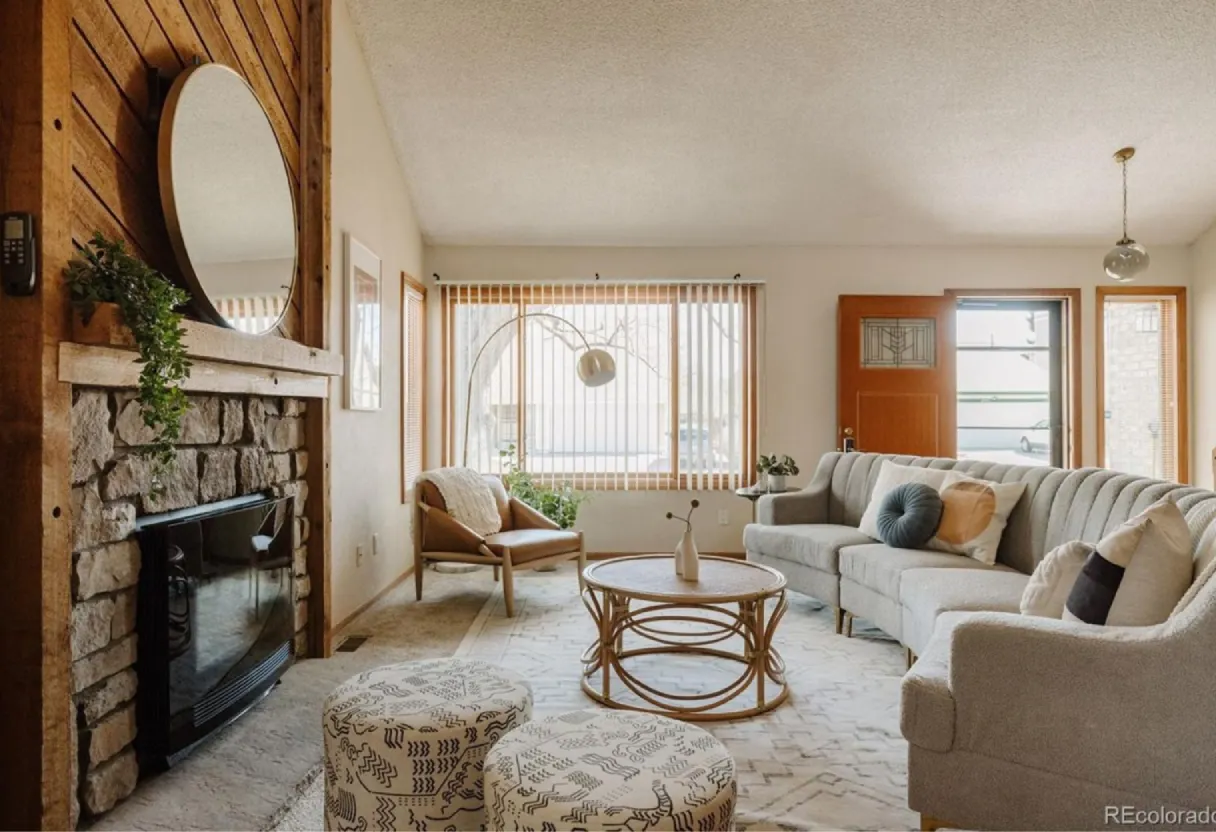
Deep cleaning and repairs eliminate red flags. In 2026, buyers obsess over details, so perfection here pays off. It’s the final polish for listings.
These low-cost efforts yield massive ROI, like 3,650% for cleaning. They signal care throughout.
The 3,650% ROI of Professional Cleaning
Professional cleaning costs $120-$250 but transforms perceptions. Buyers notice dirt first, deterring offers. It maximizes other upgrades’ impact.
Hire for thoroughness in hard-to-reach areas. Timeline: one day. Essential before photos.
Pro Tip: Focus on kitchens and baths. Use eco-friendly products for appeal.
Fix the Small Stuff That Buyers Obsess Over
Repair leaky faucets, patch wall holes, tighten handles. Costs under $500 total. These fixes prevent buyer nitpicking.
Incomplete items raise suspicions. Address them systematically. Quick DIY.
Pro Tip: Make a checklist from inspections. Test all outlets and switches.
Pre-Listing Inspection Strategy
Inspections cost $300-$500 but prevent deal failures in 90% of cases. They uncover issues early. Share reports for transparency.
Buyers appreciate honesty, building trust. Timeline: one week. Vital in competitive markets.
Pro Tip: Fix major findings immediately. Use certified inspectors.
What NOT to Do: 5 Common Mistakes That Kill Home Value
Avoiding mistakes preserves value as much as improvements. In 2026’s market, errors can stall sales. Learn from common pitfalls.
These missteps stem from emotion over strategy. Awareness leads to better outcomes.
Mistake #1 – Over-Personalizing or Over-Improving
Bold colors or unique features limit appeal. Spend beyond neighborhood norms, like 30%+ of value, and ROI suffers. Stick to neutrals.
Over-improving alienates buyers seeking affordability. Research comps first. Balance desires with market reality.
Mistake #2 – Overpricing Based on Emotion
Emotional attachment leads to high listings, killing interest. Price 1-3% under market to spark bidding. Use CMAs for accuracy.
Overpricing extends time on market, reducing final offers. Adjust quickly if feedback indicates.
Mistake #3 – Skipping Staging to “Save Money”
Omitting staging misses 5-23% price boosts. Homes linger 73% longer unstaged. Even DIY helps.
“Save” now costs later in concessions. Invest minimally for returns.
Mistake #4 – Starting Projects You Can’t Finish
Incomplete work flags neglect. Buyers shy away, demanding discounts. Plan timelines realistically.
Finish all before listing. Delays compound stress.
Mistake #5 – Hiding Major Defects
Concealing roof or foundation issues invites lawsuits. Disclose transparently. Pre-inspections mitigate.
Honesty fosters smooth closings. Repairs upfront avoid surprises.
Your 60-Day Action Plan for Maximum Home Value
A structured timeline maximizes efficiency. Break it into phases for manageability. This plan assumes a spring 2026 listing.
Month one targets foundations. Assess and repair major systems like HVAC and roofing. Budget 50% here for lasting impact.
Declutter simultaneously to prepare for staging. Hire inspectors early. Address findings promptly.
Exterior upgrades follow: paint, doors, landscaping. These quick wins boost curb appeal. Complete by week four.
Month two shifts indoors. Paint rooms, update fixtures, handle minor remodels. Allocate remaining budget evenly.
Stage mid-month, focusing on key rooms. Professional cleaners finalize. Photograph for listings.
Weeks before listing: touch-ups and open houses. Review with your agent. Adjust based on feedback.
This plan optimizes ROI by sequencing logically. It minimizes disruption while building momentum. Track progress weekly.
Frequently Asked Questions
What adds the most value to a home before selling?
Garage door replacement adds the most at 268% ROI, followed by steel entry doors at 216.4%. Minor kitchen updates at 113% also rank high. Focus on these for maximum recoup.
How much should I spend on home improvements before selling?
Follow the 30% rule: cap at 30% of your home’s value. Aim for 50-80%+ ROI projects. Budget based on timeline—less for quick sales.
What home improvements should I avoid before selling?
Avoid over-personalization, luxury upgrades like upscale kitchens (38-53% ROI), and pools in unsuitable markets. Skip incomplete projects and major additions without high demand.
Is staging worth it before selling?
Yes, staging yields 5-23% higher prices and 73% faster sales. At $1,500 median cost, it adds $40,000 average value. Even DIY versions pay off.
Selling your home in 2026 can yield impressive returns through these seven ways to increase home value before selling. Prioritize high-ROI curb appeal and interior updates, while addressing systems and staging professionally. Avoid over-improving and embrace the 30% rule for smart budgeting. Consult a local agent to tailor these strategies—start planning today for a successful sale.