You finally find a soap that doesn’t burn. But two weeks later, your skin is still dry, still itchy, and you’re wondering if anything actually works.
That’s the reality for millions of people with eczema. The problem isn’t always the condition itself — it’s often the products they use to manage it. Standard soaps are designed for normal skin. When you have eczema, they can make things significantly worse.
Eczedone soap was developed specifically for this gap. This article breaks down exactly what it is, how it works, what’s in it, and whether it’s the right choice for your skin.
What Is Eczedone Soap?
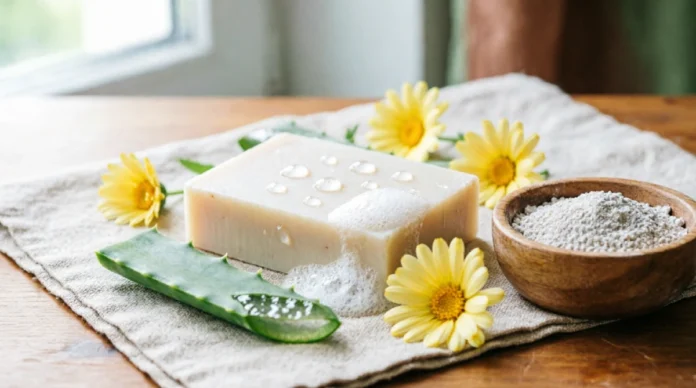
Eczedone is a gentle eczema-relief soap designed for sensitive and eczema-prone skin. It uses soothing ingredients such as oatmeal, aloe vera, and calendula to cleanse the skin while preserving natural moisture.
The key word there is preserving. Most soaps are built to remove things — oils, sweat, grime. Eczedone is built differently. It cleans without stripping the natural oils your skin depends on to stay healthy.
Unlike harsh soaps, Eczedone supports the skin barrier and helps reduce dryness, itching, and irritation during daily washing.
It’s not a medicine. It won’t cure eczema. But it’s a significant upgrade over the wrong cleanser — which, for many people, is what’s been quietly making their skin worse.
Why Regular Soap Is a Problem for Eczema Skin
Before understanding Eczedone, you need to understand why ordinary soap causes issues.
Many traditional soaps are formulated with strong surfactants and alkaline ingredients. These components break down oils and create the foamy lather many people associate with cleanliness. While this can be effective for removing oil and dirt, it can also remove the natural lipids that help protect the skin.
This matters a lot if you have eczema. The skin already has a weakened barrier. Every time you wash with a harsh soap, you’re stripping away the limited protection it has left.
When natural oils are stripped away, the skin becomes more vulnerable to dryness and irritation. For individuals with eczema, this can worsen symptoms such as itching, redness, and inflammation. Repeated exposure to harsh cleansers may even lead to more frequent flare-ups.
So the act of cleaning your skin — something you do multiple times a day — can be one of the biggest drivers of your eczema symptoms. That’s the core problem Eczedone addresses.
Key Ingredients in Eczedone and What Each One Does
The formula works because of its specific ingredient choices. Here’s what’s in it and why it matters:
Colloidal Oatmeal
Colloidal oatmeal has been used for centuries to soothe irritated skin. It helps reduce itching, calm inflammation, and strengthen the skin barrier by forming a protective layer on the surface of the skin.
It acts as a physical buffer — sitting on top of the skin and reducing direct contact with irritants while the skin repairs itself.
Aloe Vera
Aloe vera is known for its hydrating and cooling properties. Aloe helps soothe irritated skin while providing moisture that prevents dryness and tightness.
This is particularly useful after a shower when the skin tends to feel tight and uncomfortable.
Calendula Extract
Calendula extract is derived from the marigold flower and is valued for its anti-inflammatory properties. It can help reduce redness and promote gentle healing in irritated areas of the skin.
Shea Butter
Rich in vitamins A and E, shea butter nourishes the skin deeply while promoting healing.
It helps restore the lipid layer that harsh soaps tend to remove.
No Artificial Fragrances
Many eczema-friendly cleansers are fragrance-free and hypoallergenic. Avoiding strong fragrances and aggressive chemicals reduces the risk of irritation for sensitive skin.
This absence matters just as much as the ingredients present. Synthetic fragrances are one of the most common triggers for eczema flare-ups.
How Eczedone Actually Works
Eczedone works by combining gentle cleansing with ingredients that support the skin barrier. Instead of aggressively removing oils, it aims to maintain balance while washing away impurities.
Three things happen when you use it correctly:
1. Moisture retention
Oatmeal and natural oils help the skin hold onto water. Less water loss means less dryness and less itching throughout the day.
2. Barrier protection
When the skin barrier is healthy, it acts as a shield that prevents irritants from entering the skin. Gentle cleansers help maintain this protective layer instead of damaging it.
3. Reduced irritation
Ingredients like aloe vera and calendula provide calming effects that reduce redness and itching. Over time, this can make the skin feel more comfortable and less reactive to environmental triggers.
None of this is instant. It’s cumulative. The soap works by stopping damage rather than delivering dramatic overnight fixes.
Who Should Use Eczedone Soap?
Eczedone may be suitable for a wide range of individuals who struggle with sensitive or irritated skin.
It’s a strong fit for:
- People with mild to moderate eczema need a daily cleanser that won’t trigger flare-ups.
- Anyone with sensitive skin who reacts to fragrances or standard soaps.
- People experiencing chronic dryness — the tight, uncomfortable feeling after washing.
- Parents of children with eczema. However, always consult a doctor before using any new product on young children.
- People with hand eczema from frequent washing or exposure to detergents.
It’s not a replacement for medical treatment if your eczema is severe, infected, or not responding to standard care. A dermatologist should still be involved in those cases.
How to Use Eczedone the Right Way
Most people who don’t see results from gentle cleansers aren’t using them incorrectly in one big way — they’re making several small mistakes that add up.
Here’s the correct process:
Step 1 — Use lukewarm water, not hot. Hot water removes natural oils just as effectively as harsh soap. This step matters before you even touch the soap.
Step 2 — Lather in your hands first. Don’t press the bar directly onto dry skin. Create a lather in your palms, then apply it gently.
Step 3 — Wash with soft, circular motions. No scrubbing. Eczema skin is fragile. Aggressive rubbing creates micro-friction that irritates the barrier.
Step 4 — Rinse thoroughly. Residue left on skin can cause its own irritation over time.
Step 5 — Pat dry, don’t rub. Use a soft towel and lightly press it against the skin instead of dragging it across.
Step 6 — Moisturize within 3 minutes. This is the step most people skip. Moisturizing immediately after bathing helps lock in hydration and strengthen the skin barrier. If you skip this, you lose most of the benefit from using a gentle cleanser.
Realistic Timeline: What to Expect Week by Week
Many people who use gentle eczema cleansers report gradual improvements rather than dramatic overnight results.
Here’s what’s reasonable to expect:
- Week 1: Reduced itching and stinging during washing. Less redness immediately after showering. The skin doesn’t feel as “stripped.”
- Weeks 2–3: Skin starts to feel more hydrated throughout the day. Dryness between washes decreases.
- Week 4+: Fewer flare-ups triggered specifically by washing. The skin feels more stable overall.
These improvements often depend on factors such as climate, lifestyle, and the severity of eczema. Consistency in skincare routines plays an important role in achieving long-term benefits.
If you’re not seeing any change after 4–6 weeks, the soap alone isn’t enough. That’s when you need to look at other triggers — diet, detergents, stress, and humidity levels.
Common Mistakes That Kill Your Results
Switching to Eczedone doesn’t guarantee improvement if the rest of your routine is working against it:
- Using it with a hot shower — cancels out the moisture-preservation benefit immediately.
- Skipping the moisturizer step — the soap opens the door; the moisturizer keeps the hydration in. You need both.
- Expecting it to treat active flare-ups — it won’t calm a severe flare. It’s a maintenance tool, not an acute treatment.
- Doing a patch test and skipping it — even natural ingredients can cause reactions in some people. A patch test involves applying a small amount of the cleanser to a limited area of skin and observing it for 24 hours. Do this first.
- Using other harsh products in the same routine — if your moisturizer or laundry detergent contains irritants, the soap alone can’t compensate.
Honest Limitations
Eczedone is a cleanser, not a cure. Here’s where it won’t help:
- Severe eczema with open wounds or infection needs medical treatment — antibiotics, prescription topicals, or both.
- It won’t reduce inflammation already in progress. For that, you need anti-inflammatory treatment (topical corticosteroids or alternatives your doctor prescribes).
- Results are slow. If you need fast relief from intense itching, this soap is not the tool for that.
While Eczedone is not a medical treatment for severe eczema, it can play an important role in a broader skincare routine that includes moisturizing, trigger avoidance, and professional guidance when needed.
That framing is accurate. Think of it as one solid building block in a larger strategy, not a standalone solution.
Eczedone vs Regular Soap: The Core Difference
| Regular Soap | Eczedone Soap | |
|---|---|---|
| Surfactants | Strong, high-foam | Mild, low-irritation |
| Fragrance | Often present | Fragrance-free |
| pH level | Often high (alkaline) | Balanced for skin |
| Effect on oils | Strips natural lipids | Preserves skin lipids |
| Post-wash feel | Tight, dry | Hydrated, calm |
| Best for | Normal skin | Sensitive/eczema skin |
Bottom Line
Eczedone soap is a legitimate upgrade over standard soap for people with eczema or sensitive skin. Its ingredient list — oatmeal, aloe vera, calendula, shea butter — is backed by real evidence for skin barrier support and irritation reduction.
What it is: a gentle daily cleanser that stops your washing routine from actively damaging your skin.
What it isn’t: a cure, a fast-acting treatment, or a substitute for medical care in severe cases.
If you’ve been using regular soap with eczema and wondering why your skin never fully improves, this is a reasonable and low-risk product to try. Use it consistently, pair it with a fragrance-free moisturizer, and give it at least four weeks before judging results.