
In today’s fast-paced digital world, maintaining a healthy lifestyle has become easier and more accessible thanks to mobile applications. Whether you want to lose weight, track your daily activity, improve your diet, or monitor your mental well-being, health and fitness apps provide all-in-one solutions right in your pocket. This article explores the most essential apps for health and fitness, how they work, and why they are important for modern living.
Why Health and Fitness Apps Matter Today
Health and fitness apps are no longer just optional tools—they have become daily companions for millions of users. These apps help individuals stay consistent, motivated, and informed about their physical condition.
One of the biggest advantages is real-time tracking. Instead of guessing how many calories you burn or how active you are, apps provide accurate data using sensors and algorithms. This makes it easier to set realistic goals and measure progress.
Additionally, they encourage accountability. When users track workouts or meals, they are more likely to stick to healthy habits over time.
Fitness Tracking Apps for Daily Activity

Fitness tracking apps are designed to monitor your movement, steps, workouts, and calories burned. These apps are ideal for beginners as well as advanced users who want to optimize their performance.
One of the most popular options is Google Fit. It tracks steps, heart rate, and overall activity using your smartphone or smartwatch. It integrates easily with other apps, making it a central hub for fitness data.
Another powerful option is Apple Health, which is built into Apple devices. It collects data from various sources like sleep, nutrition, and physical activity, providing a complete health overview.
These apps help users understand how active they are throughout the day and encourage them to move more.
Best Apps for Workout and Exercise Plans
If your goal is structured training, workout apps are essential. These apps provide guided exercises, video tutorials, and personalized workout plans.
Nike Training Club is a highly recommended app that offers free and premium workout sessions for all fitness levels. From strength training to yoga, it covers a wide range of exercises.
Another great option is Fitbit, which combines fitness tracking with guided workouts and health insights. It also works with wearable devices to give more accurate results.
These apps are especially useful for people who prefer exercising at home without needing a personal trainer.
Nutrition and Diet Tracking Apps
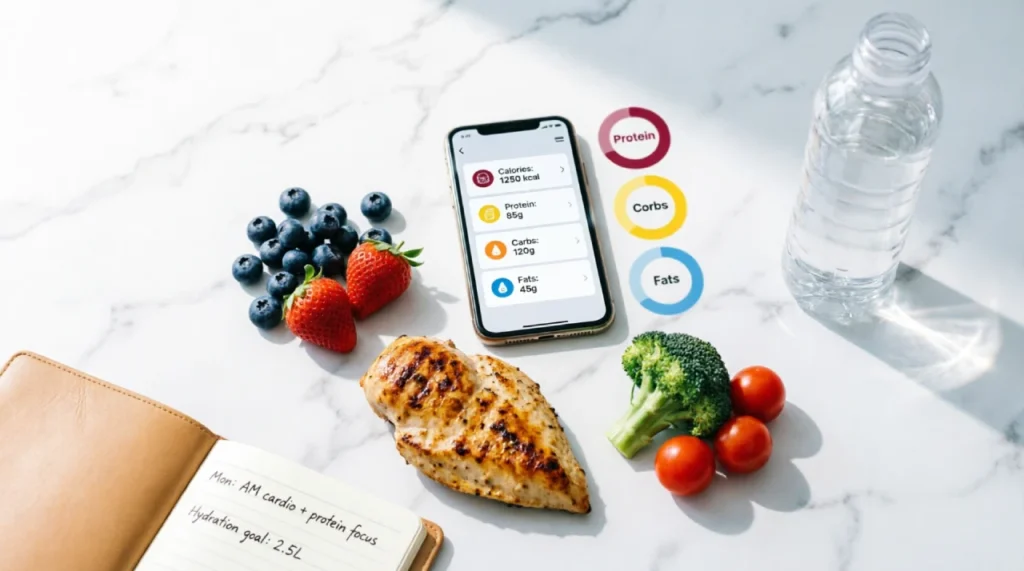
Fitness is not just about exercise—it also depends heavily on diet. Nutrition tracking apps help users monitor calorie intake, macronutrients, and eating habits.
One of the most widely used apps in this category is MyFitnessPal. It allows users to log meals, scan barcodes, and track daily nutrition goals. It has a large food database, making it easier to maintain a balanced diet.
By using such apps, users can identify unhealthy eating patterns and make better food choices over time.
Mental Health and Wellness Apps
Mental well-being is just as important as physical health. Stress, anxiety, and poor sleep can negatively impact overall fitness results.
Apps focused on meditation and mindfulness help users relax and improve focus. They offer guided meditation sessions, breathing exercises, and sleep stories.
These wellness tools are becoming increasingly popular as people recognize the importance of mental balance in achieving fitness goals.
Wearable Integration and Smart Health Tracking
Modern health apps are often connected with wearable devices like smartwatches and fitness bands. This integration allows continuous monitoring of heart rate, sleep cycles, oxygen levels, and physical activity.
For example, apps like Google Fit and Apple Health sync with multiple devices to provide a unified health dashboard.
This combination of hardware and software gives users more accurate insights into their lifestyle and helps them make better health decisions.
Benefits of Using Health and Fitness Apps
There are several key benefits of using these apps regularly:
First, they improve motivation. Seeing progress over time encourages users to stay consistent.
Second, they provide structure. Instead of guessing workouts or diets, users follow guided plans.
Third, they help prevent health issues. Early detection of unhealthy habits can reduce long-term risks.
Finally, they save time and money by reducing the need for personal trainers or dietitians.
How to Choose the Right App for You
Choosing the right app depends on your personal goals. If you want general fitness tracking, apps like Google Fit or Apple Health are ideal.
If your focus is weight loss, MyFitnessPal is a strong choice. For workout guidance, Nike Training Club and Fitbit are excellent options.
It is important to choose an app that is easy to use and fits your lifestyle. Overcomplicated apps may reduce motivation instead of improving it.
For developers and app owners, understanding the benefits of submitting your app to a directory can also help increase visibility and reach more health-conscious users.
Final Thoughts
Health and fitness apps have revolutionized the way people manage their lifestyle. They provide convenience, motivation, and accurate tracking tools that were not available in the past.
Whether your goal is to lose weight, build muscle, or simply stay active, these apps can support you at every step. By using them consistently, you can take control of your health and build a more balanced and active life.
In the end, the best app is the one that you actually use regularly and fits your personal health journey.