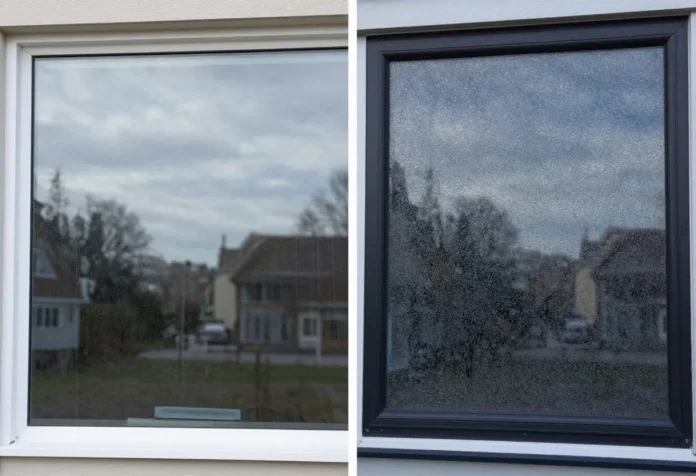
Streaky windows can instantly reduce your property’s perceived value—even if everything else is perfect.
Yes, the “streak-free windows algorithm” is real—and it works in any weather when applied correctly. Most people fail because they ignore factors like evaporation speed, water quality, and technique. When done right, window cleaning becomes predictable, fast, and consistently flawless. In high-value real estate markets across the U.S., UK, and Canada, clean windows are considered a low-cost upgrade with high visual impact. This guide explains the exact method professionals use, combining science, timing, and precision to deliver crystal-clear glass every time.
The Science Behind Streak-Free Windows
Streaks form when water evaporates unevenly, leaving behind minerals, soap residue, or dirt particles. These microscopic residues scatter light, making glass look cloudy or lined.
In the U.S., professional window cleaning typically costs between $150 and $450 for standard homes, depending on size and accessibility. (Ecoworks Window Cleaning) This reflects the technical precision required to achieve streak-free results.
Per square foot, cleaning costs range from about $1.50 to $8.00, depending on difficulty and service level. Larger or multi-story homes in cities like New York or London often cost more due to access challenges.
Environmental conditions play a major role. Direct sunlight speeds up evaporation, which is one of the main causes of streaks, while overcast weather allows controlled drying.
How Professionals Maximize ROI in Cleaning
Clean windows can boost curb appeal and perceived property value by up to 3–5% in competitive markets. Buyers often associate clean glass with overall maintenance quality.
The return on investment is immediate. A $200–$300 cleaning job can significantly improve listing photos, increasing buyer interest and reducing time on market.
Rental properties also benefit. Clean windows improve tenant satisfaction and help justify higher rent in urban areas like Toronto or Sydney.
Experts recommend cleaning twice a year—once after winter buildup and once after pollen season—to maintain long-term clarity.
Pro Tip: Always prioritize timing over effort. Even the best technique fails under direct sunlight.
The Algorithm Step-by-Step
The first step is dry preparation. Dust and loose dirt must be removed before applying any liquid, it turns into muddy residue.
The second step is solution control. A simple mix of distilled water and a small amount of detergent works better than heavy chemical cleaners.
Application technique is critical. Professionals use a controlled “S-pattern” motion from top to bottom to prevent re-spreading dirt.
Drying is where perfection happens. A high-quality squeegee removes most water instantly, preventing streak formation.
Hidden Risks to Avoid
Using paper towels is a major mistake because they leave wax residue on glass.
Overusing cleaning solutions creates film buildup. Less liquid gives cleaner results.
Ignoring weather conditions leads to inconsistent outcomes. Sunlight, wind, and temperature all affect drying speed.
Low-quality cloths leave lint behind, which becomes visible once dry, especially in humid environments like the UK.
Market Comparison & Real-World Insights
In the United States, average window cleaning costs range from $221 to $302 per job, with premium services reaching $500 or more.
In Canada and Australia, pricing is similar but slightly higher in urban centers due to labor costs and building height challenges.
DIY cleaning typically costs $50–$100 for tools and supplies, but results often fall short without proper technique.
The construction quality of windows also matters. Double-glazed or treated glass surfaces require gentler cleaning methods to avoid damage.
New developments often include self-cleaning coatings, but these still require periodic maintenance for best results.
Hidden risks include hard water stains, which may require professional treatment costing $20–$75 per window.
Advanced Techniques Most People Miss
Water purity is one of the biggest secrets. Professionals often use deionized or distilled water to eliminate mineral residue completely.
Temperature control also matters. Glass expands slightly in heat, affecting how cleaning solutions spread across the surface.
Microfiber cloths with high absorbency outperform traditional materials. They trap dirt instead of spreading it.
Using a squeegee and wiping the blade after each pass prevents residue buildup—a small detail that makes a big difference.
Another overlooked factor is edge detailing. Most streaks appear near edges where water accumulates.
Important Tips for Streak-Free Windows
Always clean windows during cooler hours or cloudy conditions. This prevents rapid evaporation and gives better control over drying.
Use distilled water instead of tap water, especially in areas with hard water, to avoid mineral streaks.
Replace your cleaning tools regularly. Old squeegees and worn cloths reduce effectiveness and create streaks.
Avoid excessive cleaning solutions. A small amount is enough to break down dirt without leaving residue.
Work in sections instead of cleaning the entire window at once. This ensures even results across the surface.
Dry edges and corners separately. These areas trap water and are the most common source of streak lines.
Invest in professional-grade tools if you clean frequently. The cost is minimal compared to repeated poor results.
Frequently Asked Questions
Why do my windows still have streaks after cleaning?
Streaks usually come from residue or fast evaporation. Cleaning in sunlight or using too much solution are the most common causes.
Is vinegar effective for streak-free windows?
Yes, a diluted vinegar solution works well for light cleaning. However, heavy grime may require specialized cleaners.
What is the best time to clean windows?
Early morning or cloudy weather is ideal because it slows evaporation and allows even drying.
How often should windows be cleaned?
At least twice a year is recommended, but homes in polluted or coastal areas may need more frequent cleaning.
Conclusion
The streak-free windows algorithm is not about working harder—it’s about working smarter with the right timing, tools, and technique. By controlling evaporation, using purified water, and following a structured cleaning method, you can achieve professional-level clarity in any weather. The key insights are simple: avoid sunlight, use minimal solution, and focus on precision. Whether you’re maintaining a home or preparing a property for sale, mastering the streak-free windows algorithm ensures your glass always looks flawless—and that first impression always counts.