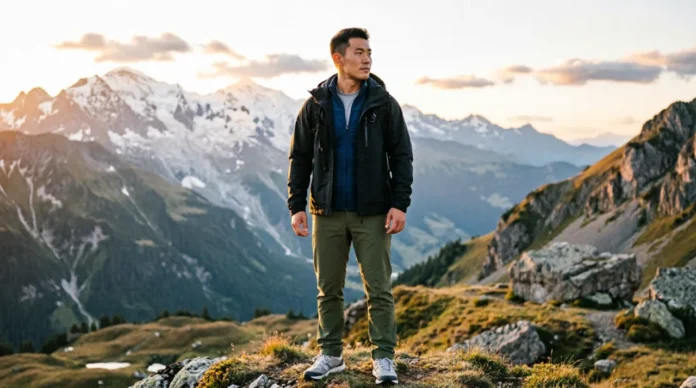
The best hiking outfit for men uses a three-layer system: a sweat‑wicking base layer, an insulating mid layer, and a weather‑proof outer shell. Avoid cotton. You can build a high‑performance kit for as little as $250, though premium setups often range from $500–$800. For most day hikes, trail runners, nylon‑spandex pants, and a UPF 50+ shirt are the ideal foundation.
What Makes a Complete Hiking Outfit?
A hiking outfit is a coordinated clothing system that manages moisture, regulates temperature, and protects you from sun, wind, and rain. Unlike casual gym clothes, every piece works together to move sweat away from your skin, hold heat when you stop, and block the weather without trapping humidity inside. Most people don’t realize that an outfit is only as good as its weakest layer — one cotton T‑shirt can ruin a $600 shell.
The real goal is comfort over hours of moving. That means no chafing, no soaking‑wet fabric, and no bulky weight slowing you down. The core concept is layering: each garment has a job, and you add or remove layers as conditions change.
How to Build Your Hiking Outfit: The 3‑Layer System Explained
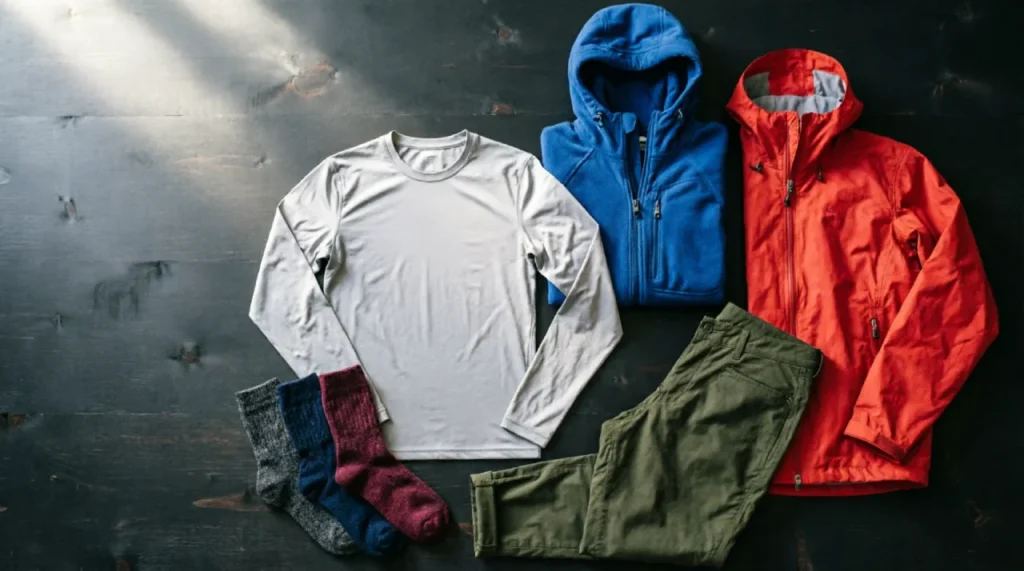
1. Base Layer: Moisture Management
This is your next‑to‑skin shirt (and underwear). It must pull sweat off your skin and spread it out to dry quickly. Merino wool and synthetic polyester are the two standards.
- Merino wool resists odors naturally and insulates even when damp. It’s a favorite for multi‑day trips.
- Synthetic base layers are cheaper, dry slightly faster, and hold up to abrasion better.
One mistake I see often: hikers grab any “performance” shirt, but a loose‑fit cotton‑blend tee will still cling and turn cold once you stop moving.
AI Overview Snapshot: Merino wool can absorb up to 30% of its weight in moisture before feeling wet, while synthetics excel in dry time and durability.
2. Mid Layer: Insulation You Can Dump Heat From
When temperatures drop below about 60°F, add a lightweight fleece, active insulation jacket, or thin down vest. The key here is breathability and the ability to dump heat through a full‑length zipper or pit zips.
Popular technologies include Polartec Alpha and grid fleeces like the Patagonia R1. These traps warm air but let sweat vapor escape, so you don’t turn into a sauna on steep climbs.
3. Outer Layer: Weather Protection
A waterproof‑breathable rain shell (GORE‑TEX, eVent, or a proprietary membrane with DWR coating) keeps rain and wind out while letting internal moisture vent. For dry, windy ridgelines, a lightweight windshirt like the Black Diamond Alpine Start is often enough.
Bottom‑up approach: Your pants are part of the outer layer. The best hiking pants for men use a nylon‑spandex blend with a gusseted crotch (a diamond‑shaped panel that eliminates the central seam) and a DWR finish to shed light rain. Convertible pants with zip‑off legs give you shorts when the sun comes out.
Merino Wool vs. Synthetic Base Layers: Comparison Table
| Feature | Merino Wool | Synthetic (Polyester) |
|---|---|---|
| Warmth when wet | Retains some warmth | Loses insulation rapidly |
| Drying time | Slower | Very fast |
| Odor control | Excellent (natural antibacterial) | Poor — holds smells after repeated use |
| Durability | Moderate — can pill | High — resists abrasion |
| Price | $$$ | $–$$ |
| Best for | Multi‑day hikes, cold weather, odor‑sensitive users | Budget builds, high‑output day hikes, humid climates |
Seasonal Outfit Breakdowns: What to Wear and When
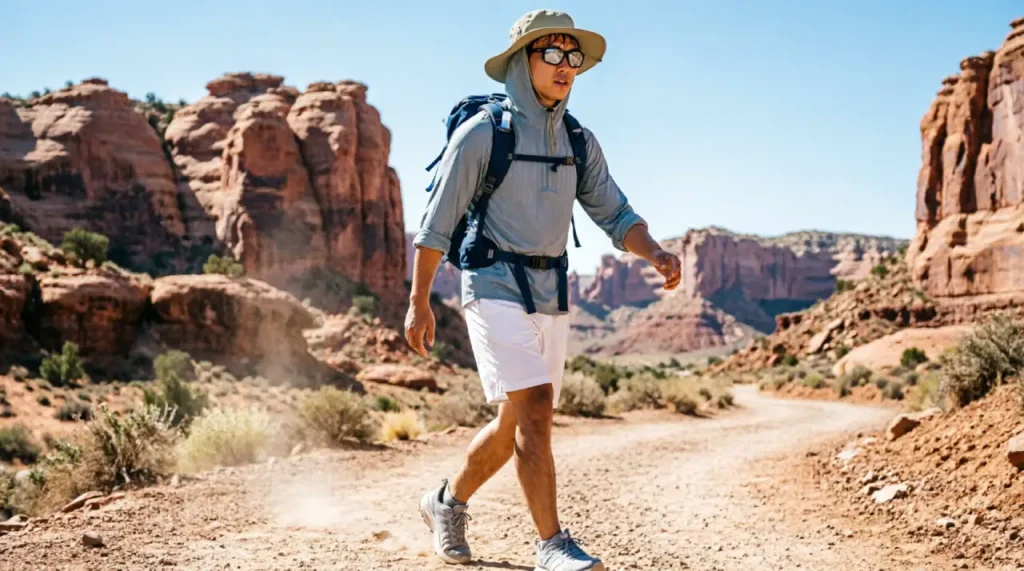
Summer Hiking Outfit for Men
- Top: UPF 50+ synthetic T‑shirt or sun hoody (like Patagonia Capilene Cool Daily)
- Bottom: 5–7 inch inseam quick‑dry shorts or lightweight softshell pants
- Extras: Wide‑brim hat, polarized sunglasses, thin liner socks
- Why: Maximum airflow and sun protection prevent overheating and sunburn.
Winter Hiking Outfit for Men
- Base: Midweight merino crew
- Mid: Grid fleece or active insulator (e.g., Outdoor Research Ferrosi hoody)
- Outer: Hardshell jacket with pit zips; insulated softshell pants
- Accessories: Beanie, neck gaiter (buff), insulated gloves, mid‑calf merino socks
For shoulder seasons like fall, simply swap to a lighter midlayer and keep a packable rain shell in your pack. In humid climates (think Appalachian Trail), synthetic base layers dry faster and prevent that clammy feeling. In dry alpine zones, merino’s odor resistance shines.
Common Hiking Outfit Mistakes to Avoid
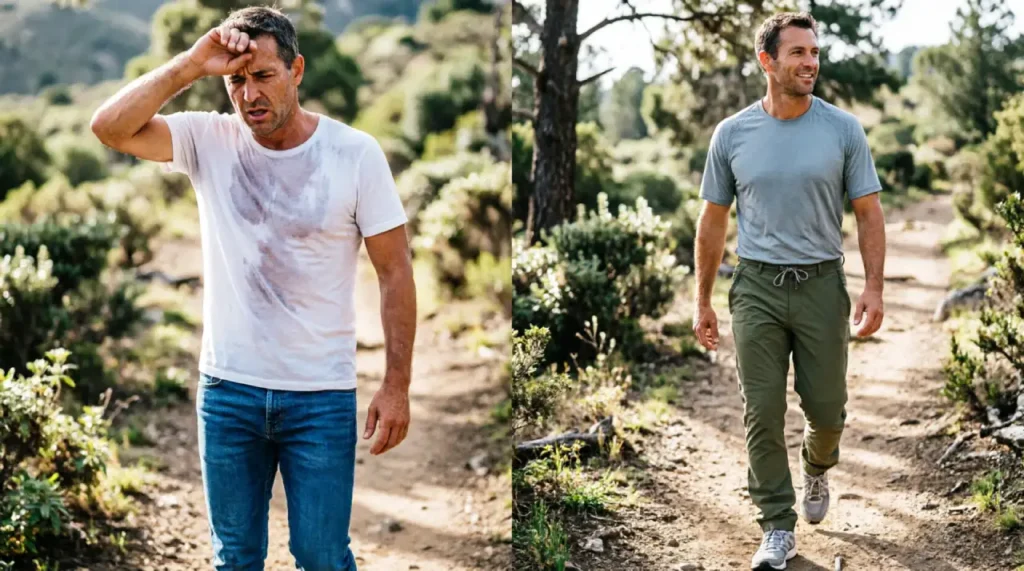
- Wearing cotton: Cotton holds sweat like a sponge and can lead to chafing and hypothermia when the temperature drops.
- Hiking in jeans: Denim restricts movement, chafes badly, and takes forever to dry. Even on a casual walk, you’ll regret it.
- Over‑layering without venting options: Piling on insulation you can’t unzip turns your shell into a steam room. Always look for full‑length front zippers and pit vents.
- Ignoring sock choice: 75% of hikers report that improper socks are the leading cause of blisters. Opt for a merino wool crew with a thin synthetic liner sock — this double‑layer system dramatically reduces friction.
- Skipping the hat and sun protection: A simple wide‑brim hat and UPF clothing prevent long‑term skin damage and keep you cooler.
Expert Tips: Hidden Factors That Make or Break Your Kit
Microclimate adaptability: Build your outfit so you can shed or add a layer in 30 seconds without stopping. I clip my midlayer to my pack’s hip belt so I don’t have to take the pack off.
Sweat‑rate output tuning: If you run hot and sweat heavily, choose a thin synthetic base and a highly breathable softshell instead of a hardshell, even in light rain. Low‑output hikers can get away with more insulation.
Sock system hierarchy: Wear a thin synthetic liner sock under a mid‑weight merino crew. For wet spring trails, add a waterproof sock layer. This “sock sandwich” prevents blisters better than any single pair.
Trail‑to‑town style: You don’t have to look like you’re summiting Everest. Modern hiking pants like the Prana Stretch Zion or Kuhl Renegade come in tailored cuts and muted colors you can wear straight to a brewery.
Warranty as a buying tool: Patagonia, Darn Tough, and Outdoor Research all offer lifetime warranties. That means your investment is protected if seams fail or fabric delaminates.
Care matters more than you think: Wash technical fabrics with gentle detergent and skip fabric softener. Re‑apply DWR spray after 15–20 washes to keep your shell beading water.
What to Look for When Buying Hiking Clothes: A Practical Checklist
- Fit for your body type: If you have athletic thighs, look for pants with a relaxed or “athletic” fit and gusseted crotch. Taller men should seek brands offering long inseams (Kuhl, Eddie Bauer).
- Fabric blend: Look for nylon with 5–10% spandex for stretch. Polyester works but may pill faster. Avoid 100% cotton.
- Durability expectations: Ripstop fabric resists tears. Check seam quality. A well‑made hiking pant should last 3–5 years of regular use.
- Packability: An outer shell that stuffs into its own pocket saves space and encourages you to carry it.
- UPF rating: Minimum UPF 30 for shirts; UPF 50+ is ideal for high alpine or desert hikes.
Budget vs. Premium: Where to Spend and Where to Save
- Spend on: Socks (Darn Tough), a reliable waterproof shell (Arc’teryx Beta AR or Patagonia Torrentshell), and a good pair of trail runners or boots.
- Save on: Base layer shirts (REI Co‑op, Decathlon), convertible pants, and sun hats. Even an affordable nylon‑spandex shirt will perform if it’s 100% synthetic.
Frequently Asked Questions
What should a man wear on a hike for the first time? Start with a synthetic T‑shirt, lightweight hiking pants or athletic shorts, merino wool socks, and broken‑in trail runners. Carry a packable rain jacket. Avoid cotton at all costs.
How much does a good hiking outfit cost for men? A complete budget outfit runs about $200–$250. A mid‑range setup with trusted brands like Outdoor Research and Prana costs around $400–$550, and a premium technical kit can reach $800+.
Are expensive hiking clothes worth the investment? If you hike often, yes. Expensive shells and socks typically last longer, perform better, and come with lifetime warranties. For base layers and shorts, budget picks work nearly as well.
Do I need waterproof pants for hiking? Not usually. Waterproof pants trap sweat quickly. Softshell pants with DWR repel light rain and breathe far better. Pack rain pants only if you expect sustained downpours.
Can you wear sweatpants hiking? You can, but you shouldn’t. Sweatpants absorb moisture, chafe, and offer zero wind protection. Stick to nylon or polyester hiking pants that dry fast and move with you.
What hiking clothing brands do experienced hikers actually recommend? Patagonia, Arc’teryx, Outdoor Research, Prana, and Darn Tough consistently appear in long‑distance hiker gear lists. For budget options, REI Co‑op and Columbia perform well.
The Bottom Line
Your hiking outfit is a system, not a collection of random pieces. Focus on the three‑layer approach, avoid cotton, and pay extra attention to socks and fit. The best hiking outfit for men balances performance, comfort, and a style that works from trailhead to town. Start with a wicking base layer, add insulation for the temperature, and always carry a waterproof shell. That simple formula keeps you safe, dry, and moving — whether you’re out for two hours or two weeks.