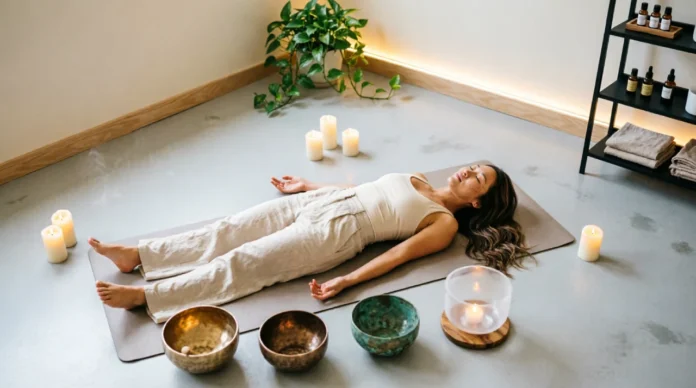
Sound has been used to calm the mind and heal the body for thousands of years.
From ancient temples in Tibet to modern wellness studios, the practice keeps showing up and for good reason.
But what is sound healing, exactly? And does it actually do anything, or is it just relaxing background noise?
Here’s a clear, honest look at what it is, how it works, and what the science actually says.
The Basic Definition
Sound healing is a wellness practice that uses sound vibrations to support physical and emotional wellbeing.
It works on a simple idea: everything in the body vibrates at a frequency.
When those frequencies get disrupted — through stress, illness, or emotional strain — the right sounds may help restore balance.
It’s not magic. It’s not medicine. But it’s nothing, either.
A Quick History
Sound healing isn’t new.
Ancient Egyptians used chanting in healing rituals. Indigenous cultures worldwide used drums and vocal tones for ceremony and restoration.
Tibetan monks have used singing bowls for centuries to support meditation and mental clarity.
Modern practitioners have simply taken these ancient tools and started exploring them through a scientific lens.
What Happens During a Session
A sound healing session — often called a sound bath — typically involves lying down in a comfortable position.
You don’t submerge in water. You “bathe” in sound.
A trained practitioner plays instruments around and sometimes near your body. The vibrations travel through the air and directly through your skin and tissues.
Most sessions last 30 to 90 minutes.
You leave feeling calm, heavy-limbed, and often deeply rested.
Common Instruments Used

Different instruments create different effects. Here are the most widely used ones:
Himalayan Singing Bowls
These metal bowls produce rich, layered tones when struck or rubbed.
They’ve been used in Tibetan and Nepalese traditions for hundreds of years.
The vibrations are felt physically — not just heard. Many people notice a gentle buzzing sensation when a bowl is placed near them.
Crystal Singing Bowls
Made from quartz, these produce clear, sustained tones.
They’re often tuned to specific frequencies associated with different energy centers in the body.
Crystal bowls are popular in modern studio sessions and online sound baths.
Gongs
Gongs create broad, complex sound waves that fill an entire room.
A gong bath is particularly intense. The overlapping frequencies can feel overwhelming at first — then deeply releasing.
It’s one of the more powerful sound healing experiences available.
Tuning Forks
Tuning forks are precise. Each fork is calibrated to a specific frequency.
Practitioners may place them directly on the body or near the ears to target specific areas.
They’re commonly used in clinical sound therapy settings.
Chimes, Monochords, and More
Wind chimes, shruti boxes, and monochords all add layers of vibration and texture.
Each instrument creates a slightly different effect on the nervous system.
How Sound Affects Your Body
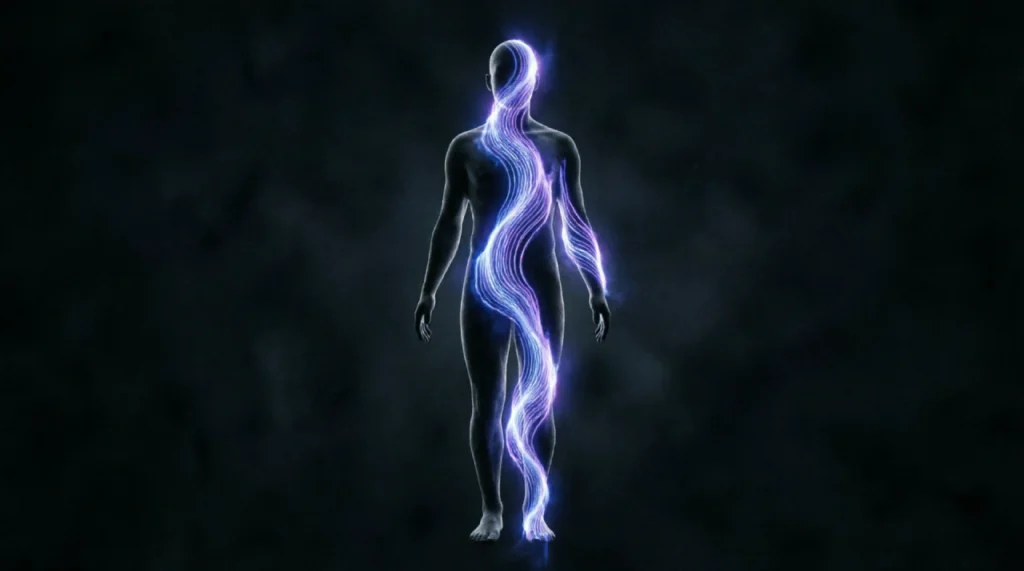
This is where it gets interesting.
The Nervous System Response
Sound healing works partly through the autonomic nervous system.
Harsh, irregular sounds trigger the sympathetic nervous system — your fight-or-flight response.
Slow, resonant, sustained tones do the opposite. They activate the parasympathetic nervous system — the rest-and-digest response.
Your heart rate slows. Cortisol levels drop. Your breath deepens.
This is measurable. It’s not placebo.
Brainwave Entrainment
Your brain naturally syncs with rhythmic external frequencies — a process called brainwave entrainment.
Certain sound frequencies guide your brain from beta waves (active thinking) toward alpha and theta waves.
Alpha and theta states are associated with deep relaxation, creativity, and meditative calm.
It’s similar to what happens during light sleep or deep meditation.
Vibration and the Body
The human body is largely water. Water conducts vibration extremely well.
Sound waves don’t just reach your ears — they travel through your tissues, muscles, and cells.
Some researchers suggest this cellular resonance may support the body’s natural recovery processes, though more studies are needed to confirm specific claims.
Real Benefits — and Honest Limitations
What Research Supports
Several studies have found that sound healing sessions can:
- Reduce perceived stress and anxiety
- Lower heart rate and blood pressure temporarily
- Improve sleep quality in some participants
- Decrease tension headaches
- Support mood regulation
Sound healing for anxiety and stress relief has the strongest research backing so far.
What’s Still Uncertain
Claims about sound healing for chronic pain, autoimmune conditions, or trauma healing are promising — but not yet fully proven.
Most existing studies are small. More rigorous clinical trials are needed.
Sound healing works best as a complement to conventional care, not a replacement for it.
Being skeptical is healthy. Being dismissive might mean missing something genuinely useful.
Is Sound Healing Safe?
For most people, yes — it’s completely safe.
But there are important exceptions:
Talk to your doctor first if you have:
- A pacemaker or other implanted device
- Epilepsy or a seizure disorder
- Severe tinnitus or acute ear conditions
- Active psychosis or certain mental health conditions
Pregnant women should also consult a healthcare provider before attending a sound bath.
Always let a practitioner know about any medical conditions before a session begins.
Your First Sound Bath — What to Expect
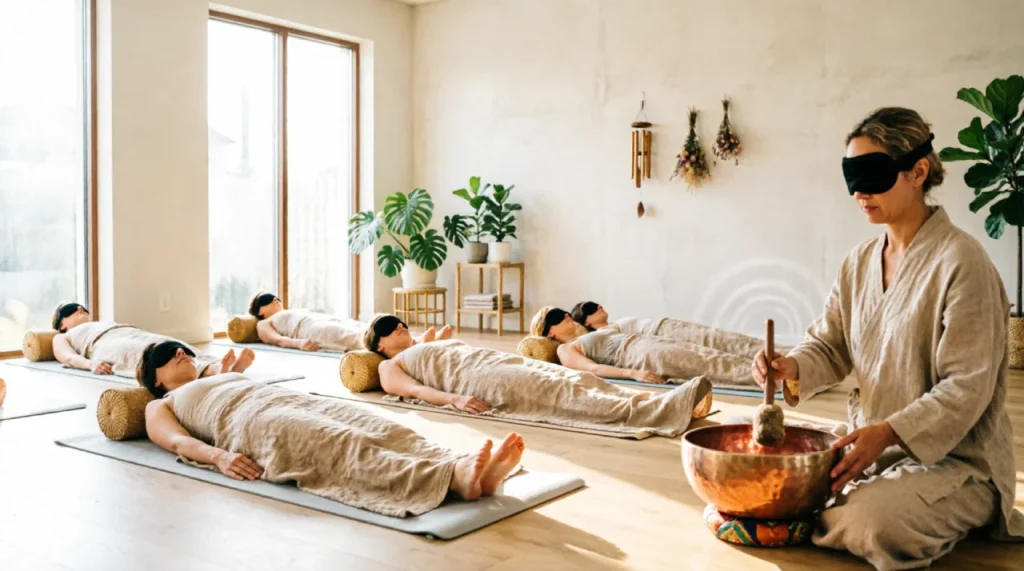
You don’t need any experience. You don’t need to meditate.
You just need to show up and lie down.
What to wear: Comfortable, loose clothing. Layers help, since body temperature often drops during deep relaxation.
What to bring: A yoga mat, blanket, and eye mask if the studio doesn’t provide them.
What to do: Nothing. Just breathe and let the sound do its work.
Some people feel emotional during or after a session. That’s normal. It’s often described as a release.
Cost: Sessions typically range from $20 to $80, depending on location and format. Online sound baths are widely available and often more affordable.
Can You Try Sound Healing at Home?
Absolutely.
You don’t need a studio or a certified sound therapist to get started.
A simple entry point: purchase a small Himalayan singing bowl (available for $20–$60 online), find a quiet space, and spend 10–15 minutes with the sound.
Strike the bowl gently. Let the tone fade. Focus on the vibration, not your thoughts.
There are also excellent guided sound healing sessions on YouTube and meditation apps — completely free.
It’s one of the most beginner-friendly wellness practices available right now.
FAQ
Does sound healing actually work?
For relaxation and stress relief, yes — there’s solid evidence. For more complex health claims, the research is still developing. It works best alongside conventional care, not instead of it.
What does a sound bath do to your brain?
It encourages a shift from active beta brainwaves toward calmer alpha and theta states — similar to deep meditation or the edge of sleep. This is associated with reduced anxiety and improved mood.
Who should avoid sound healing?
People with pacemakers, epilepsy, severe tinnitus, or certain mental health conditions should consult a doctor before trying it. Always inform your practitioner of any medical history.
The Bottom Line
Sound healing isn’t a cure. It’s a tool.
It won’t replace medication or therapy. But for stress relief, better sleep, and deeper relaxation — it has real merit.
If you’re curious, the barrier to entry is low. A single session might be all it takes to understand what all the interest is about.
Try a local sound bath, explore an online session, or start with a simple singing bowl at home.
Your body might respond to sound in ways you didn’t expect.