Tattoos tell stories. But sometimes, the story changes. You might be over a design that no longer fits your life. Or maybe a tattoo came out differently than you imagined.
That’s where modern laser removal steps in. And PicoWay tattoo removal has quickly become the gold standard for a reason.
It promises fewer sessions. Better ink clearance. And a safer experience for all skin tones. If you’re researching your options, you’ve come to the right place. Let’s break down exactly how it works and what you can really expect.
What Is PicoWay Laser Technology?
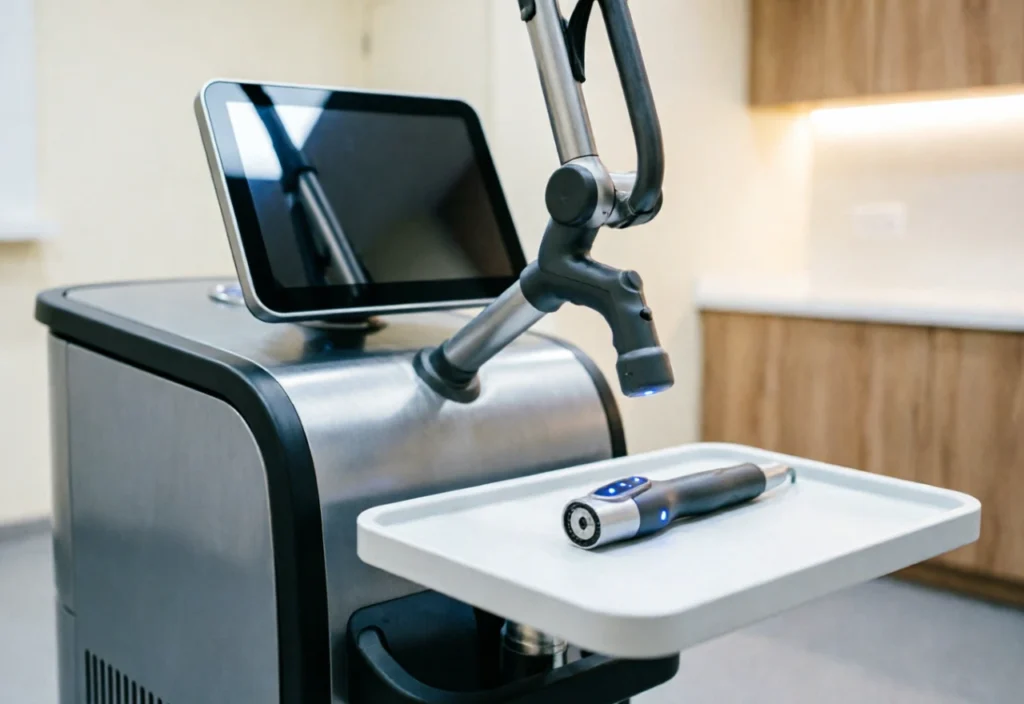
PicoWay is an FDA‑cleared picosecond laser. That word—picosecond—matters a lot. It means the laser fires ultra‑short pulses of energy. Each pulse lasts one trillionth of a second.
Traditional lasers use nanosecond technology. PicoWay pulses are 100 times shorter. This speed changes everything.
Instead of heating the ink until it breaks apart, PicoWay uses something called the photoacoustic effect. The energy hits the ink so fast that it creates a shockwave. That shockwave shatters the ink into tiny dust‑like particles.
Your body’s immune system then clears those particles naturally. This process is more efficient and gentler on the skin around the tattoo.
How PicoWay Differs From Traditional Tattoo Removal
Older Q‑switch lasers rely on heat. They warm the ink particles until they fragment. This method works, but it takes many sessions. It also poses more risk for darker skin tones.
With PicoWay, there’s significantly less heat transfer. The treatment targets ink precisely. Surrounding tissue stays much safer.
You get a few key advantages with this approach. Multi‑color tattoos respond better. Stubborn ink colors like green, blue, and red finally fade. Even previously treated tattoos that didn’t budge can see progress.
The dual wavelength system is another big deal. It uses 1064 nm and 532 nm wavelengths. That means the laser can address different ink colors at their optimal depth.
What to Expect During Your PicoWay Session
Your first appointment always starts with a consultation. A provider will check your skin type and tattoo details. They’ll answer your questions and map out a plan.
Before the session, you’ll likely apply a topical numbing cream. Most clinics ask you to put it on an hour beforehand. This makes the process far more comfortable.
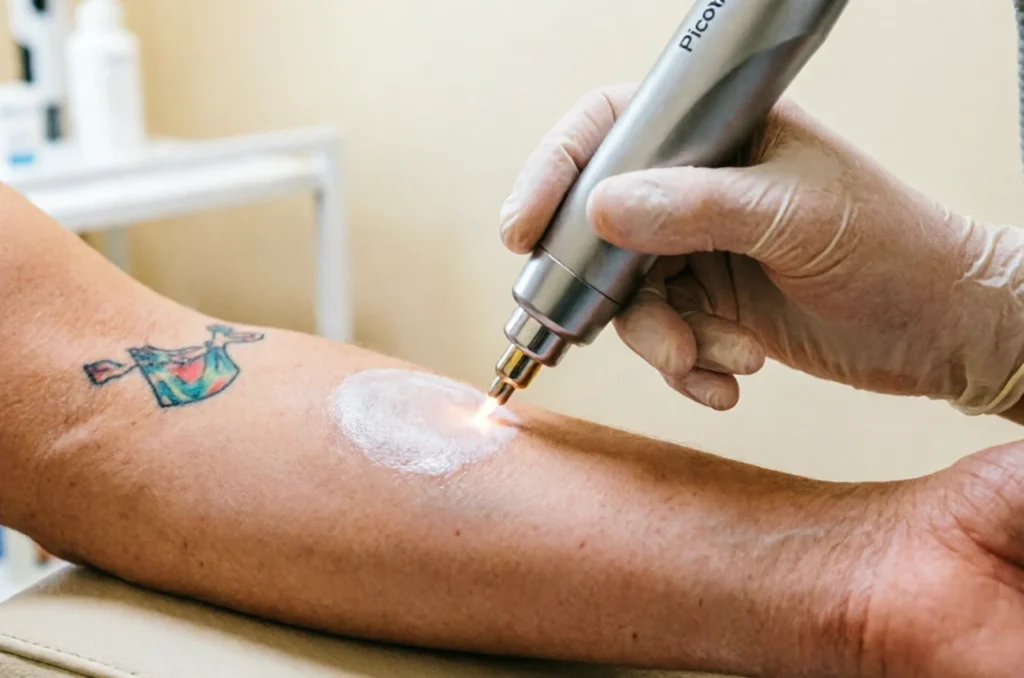
Once you’re ready, the provider will place protective shields over your eyes. Then the laser handpiece moves across the tattoo.
You might hear a rapid snapping sound. Each pulse feels like a rubber band flicking your skin. The sensation is fast. The session itself usually lasts just a few minutes for a small tattoo. Larger pieces take longer.
Immediately after, the skin looks white and frosty. That frosting effect is normal. It tells the provider the ink absorbed the energy. The white appearance fades within minutes.
How Many Sessions Will You Need?
There’s no magic number that works for everyone. Most people need somewhere between three and eight sessions. Some stubborn tattoos require more.
Black ink responds the fastest. Bold, professional tattoos might take fewer treatments than you’d think. Amateur tattoos can sometimes fade quickly too.
The real variable is color. Bright reds, greens, and yellows need extra patience. The PicoWay laser handles these tricky pigments better than older machines, but they still take time.
You’ll space sessions six to eight weeks apart. Your body needs that window to flush out the shattered ink. Rushing the process doesn’t speed up results. It actually wastes money and can stress your skin.
Significant fading can show after just one or two visits. But complete removal requires commitment. Trust the timeline. Your immune system does the heavy lifting between appointments.
Does PicoWay Tattoo Removal Hurt?
Pain is relative. But most people compare it to getting the tattoo itself. The big difference is speed. A tattoo takes hours. A laser session takes minutes.
The discomfort is quick and tolerable. Numbing cream takes the edge off. Some describe the feeling like hot grease splatters. Others say it’s just an annoying snap.
After the session, the area feels tender. Think moderate sunburn for a day or two. Cool gel packs and over‑the‑counter pain relief help. The soreness fades quickly as healing begins.
If you’ve been through tattoo pain already, you can handle this. The short treatment time makes it mentally easier too.
PicoWay Cost and Pricing Packages
Price tags vary depending on where you live and the clinic you choose. Tattoo size is the main factor.
Many providers charge per square inch. Prices commonly range from $50 to $100 per square inch per session. A small one‑inch tattoo might cost around $75 to $150 each visit. Large pieces naturally cost more.
You’ll almost always find package deals. Buying a bundle of sessions upfront saves money. Some clinics offer unlimited session packages for larger tattoos. Always ask about pricing during your consultation.
Comparing the cost of laser removal to years of covering up a tattoo you dislike makes the investment feel worthwhile. Look for certified Candela PicoWay providers near you to compare quotes.
Is PicoWay Safe for Dark Skin?
Yes. This is one of the biggest reasons PicoWay stands out. Older lasers pose a significant risk of hyperpigmentation or hypopigmentation for melanin‑rich skin.
Because PicoWay uses pressure instead of prolonged heat, the surrounding skin cells stay safer. The ultra‑short pulse doesn’t have time to overheat the melanin.
This makes PicoWay a top choice for people with Fitzpatrick skin types IV through VI. That said, you should still choose a provider experienced with darker skin tones. Skill matters as much as technology.
Temporary pigment changes can still happen. But they’re far less common and usually resolve on their own. Following aftercare instructions closely protects your skin tone.
PicoWay vs. PicoSure: Which Laser Is Better?
This is the question everyone asks. Both are picosecond lasers. Both are excellent. But they aren’t identical.
PicoWay operates natively at three wavelengths and offers larger spot sizes. It handles a wider range of ink colors with ease. PicoSure uses a 755 nm wavelength that excels at blue and green pigments but sometimes struggles with red.
If your tattoo has a lot of red or orange ink, many experts lean toward PicoWay. For black ink, both devices perform wonderfully. The real advantage comes when dealing with multi‑color sleeves or stubborn, previously treated tattoos.
Reddit threads are full of personal stories. The consensus often points to PicoWay’s versatility for deep skin tones and darker ink. Your best bet is to consult with a clinic that offers the Candela PicoWay system and judge based on your specific ink.
Can You Lighten a Tattoo for a Cover-Up?
Absolutely. Full removal isn’t the only path. Many people just need a faded canvas for their next artist.
PicoWay is perfect for cover‑up preparation. You can likely achieve enough lightening in two or three sessions. That opens up entirely new design possibilities.
You’ll want to coordinate with your tattoo artist. After your last session, wait about six weeks before getting the new ink. Your skin needs that time to recover and settle.
This option saves money compared to full removal. It gives you the best of both worlds: a fresh start without a completely blank slate.
Healing and Aftercare: Step by Step
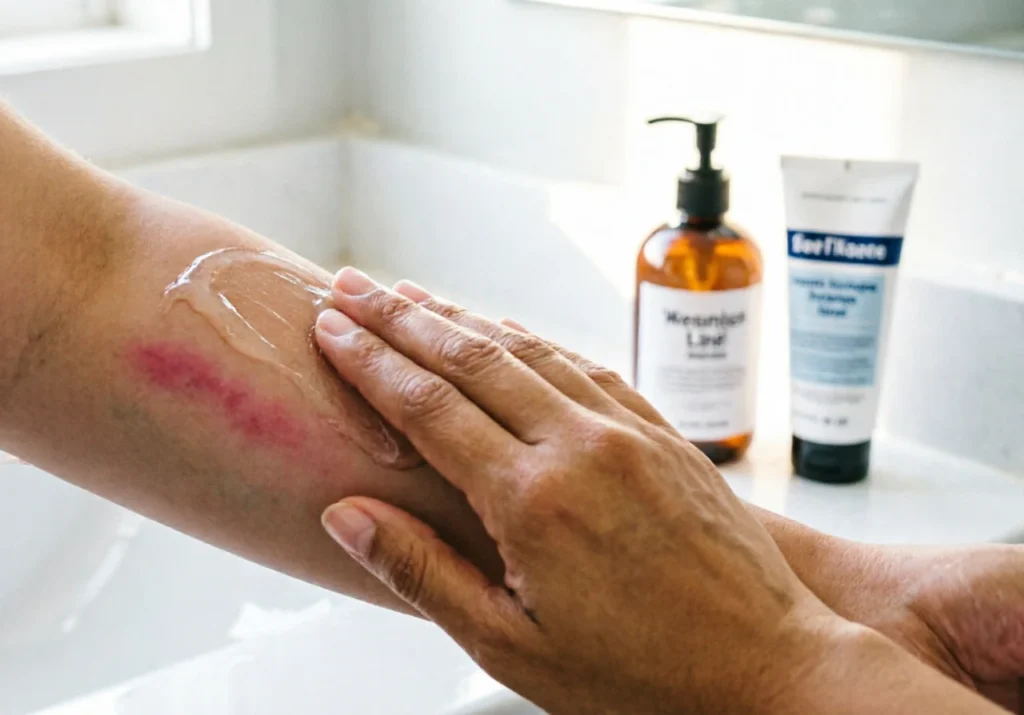
Right after treatment, the clinic will clean the area and apply a bandage. Keep that dressing on and dry for the first 24 hours.
After a day, you can gently wash the skin with mild soap and water. Pat it dry. Do not rub.
Apply a thin layer of aloe vera gel or an antibiotic ointment as recommended. Let any scabbing or crusting heal naturally. Do not pick.
Avoid the gym, swimming, and hot tubs for at least 48 hours. Sweat and bacteria can irritate the treated skin. Skip sun exposure for four weeks. Use a broad‑spectrum SPF 30 or higher every single day.
Tiny blisters might appear. They usually heal in less than a week. Keep the area moist and clean. Contact your clinic if you notice signs of infection like spreading redness or pus.
Patience here really pays off. Good aftercare directly improves your results and lowers the risk of pigment changes.
How to Find a Certified PicoWay Provider Near You
Searching for “picoway tattoo removal near me” will give you a starting list. But don’t just pick the closest name.
Look for a medical spa or dermatology clinic that uses authentic Candela PicoWay machines. Ask about the provider’s experience with your skin type and ink colors. Read recent reviews. Look at before and after photos of real patients.
A good consultation feels honest. You should leave with realistic expectations, a clear schedule, and transparent pricing. Avoid clinics that promise one‑session miracles.
Trust your gut. This is your skin and your story. Choose a team that makes you feel safe.
Frequently Asked Questions
How long does PicoWay tattoo removal take to work?
You’ll see fading after the first session. But full clearance takes months because your body needs time to flush the ink. Most people finish treatment within one to two years.
Can PicoWay remove all ink colors?
It performs well across the spectrum. Black, blue, and red respond best. Greens and yellows can be stubborn, but PicoWay handles them more effectively than older Q‑switch lasers.
What are the most common side effects?
Temporary redness, swelling, and slight blistering. Some pinpoint bleeding is normal. These heal quickly with proper care. Long‑term scarring is rare when you follow aftercare instructions.
Final Thoughts: Start Your Clear Skin Journey
Your skin tells your story. And you get to decide what that story looks like. PicoWay technology makes starting over safer and more accessible than ever.
Whether you want full removal or a faded canvas for new art, this laser delivers. The journey asks for patience and commitment. But thousands of before-and-after photos show it’s absolutely worth it.
Ready to take the next step? Find a certified Candela PicoWay provider near you. Book a consultation. Your clear skin future is closer than you think.